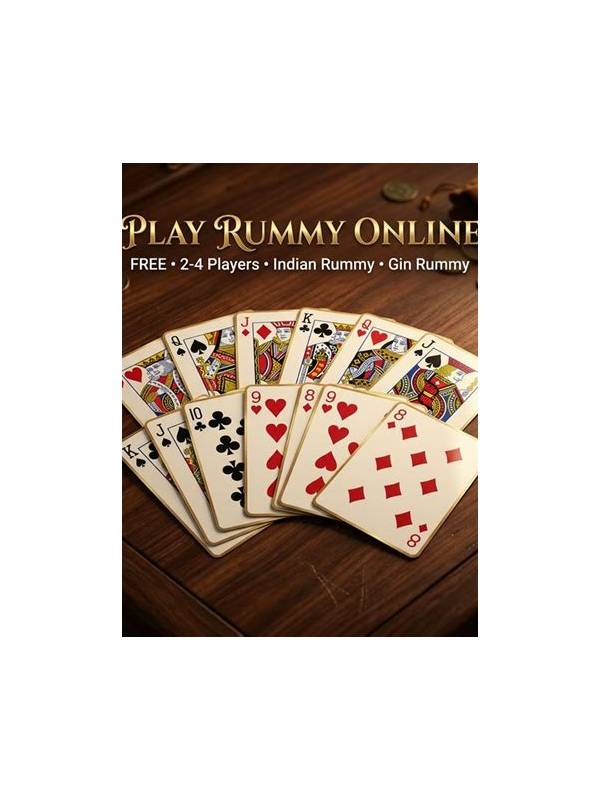
How to Recover After Drawing Several Unhelpful Cards
A difficult hand calls for a new evaluation, not a defense of the original plan.
It can help to say the reset aloud in practice: “What is confirmed, what is flexible, and what is costly?” The wording is less important than the sequence. A reset should lead to one observable action, such as discarding an orphan or protecting a broad connector. If the next draw changes the situation, run the questions again instead of treating the first reset as a permanent commitment.
Every rummy player eventually draws cards that seem useless. The danger is not the bad draw itself but the reaction that follows: holding a weak card too long, forcing an unlikely combination, or discarding without checking the hand. A short reset helps you regain control.
First, stop judging the hand by the plan you started with. A promising pair from the opening may no longer be the best foundation. Sort the cards again and identify what is still connected. Separate confirmed useful groups from speculative ones. This small physical reset prevents yesterday’s idea from controlling today’s position.
Next, count the cards that are carrying risk. High, isolated cards should receive attention, but do not automatically throw away the largest number. A middle card may be more dangerous if it has no neighboring route and no realistic set possibility. Compare each loose card’s penalty with its chances of joining a group.
Then choose one practical objective for the next two turns. You might aim to complete a pure sequence, reduce the hand’s total value, or test whether a pair can become a set. Do not pursue all three equally. A narrow objective makes the next discard easier to evaluate.
Watch the discard pile without assuming it tells the whole story. Cards already visible are less available, yet a missed card does not justify chasing it. Prefer plans supported by several possible draws. If your only hope is one exact card, release the plan when the cost of waiting becomes too high.
Finally, slow down after an emotional moment. A frustrating draw can make a player seek an immediate correction, but one turn rarely repairs everything. Take a breath, check the rules, and make the lowest-regret decision available. A controlled loss of a weak pair is often better than keeping it until it becomes a large liability.
Recovery is a skill of reassessment. Clear the old plan, identify the strongest remaining structure, set one short objective, and discard with evidence. You may not rescue every hand, but you can prevent a difficult start from becoming a chain of avoidable errors.
Related Post
Rummy Decision Friction: Simplify a Crowded Turn
Reduce confusion on difficult rummy turns by using a short order for checking cards, rules, [...]
Rummy How-To: Create a Pre-Declaration Pause
Use a short pause before declaring to catch structural, counting, and interface mistakes. [...]