Rummy Strategy for Choosing Between Two Pair Connections
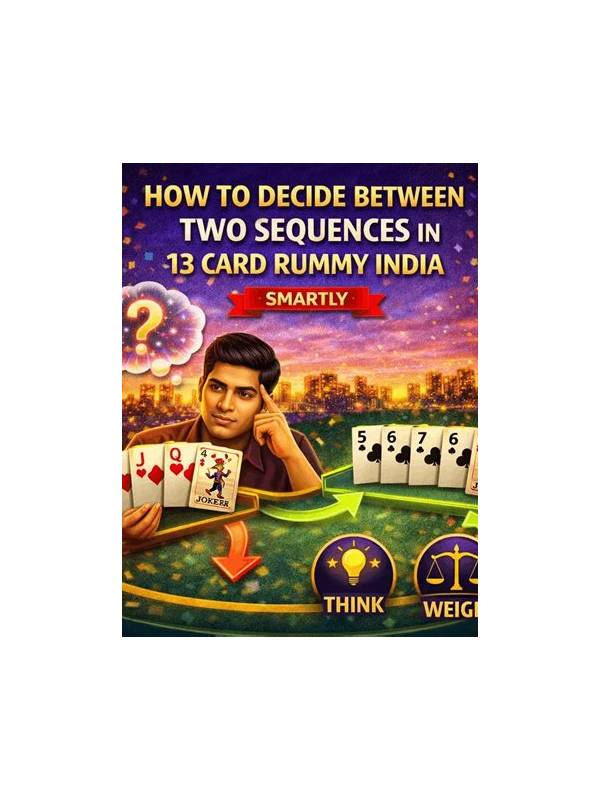
A hand can contain two attractive pairs at the same time. One may be consecutive in a suit, while the other may share a rank with a possible set. Keeping both alive feels safe, but each extra plan consumes space and may delay a needed pure sequence. A comparison method helps you choose without relying on instinct alone.
Name the completion paths
For each pair, list the cards that would improve it. A suited pair may accept one or two neighboring ranks; a same-rank pair may need another suit for a set. Count realistic improvements, not every card that could be forced into an arrangement. A pair with several clean paths is usually more flexible than one depending on a single exact card.
Check structural importance
Ask whether either connection contributes to a requirement you cannot postpone. If you still need a pure sequence, a natural suited run may deserve priority over a convenient set. If your hand already has that structure, the comparison can focus on reducing deadwood and keeping a useful backup.
Compare the discard cost
Choosing one path does not mean the other must be abandoned immediately. First identify what you would discard if neither pair improves on the next turn. A high isolated card may be the obvious first release. If protecting one pair forces you to keep several awkward cards, the apparent promise may not justify its cost.
Avoid emotional attachment
Pairs feel valuable because they are already connected, but a connection is not a guarantee. Give each pair a deadline: after one or two informative draws, reassess it. If the cards remain narrow and a stronger plan appears, let the weaker pair go. This keeps the hand moving instead of preserving every early idea.
Account for visible information
If key completion cards have appeared in the discard pile, reduce the value of that pair. If an opponent has collected nearby cards, be cautious about assuming the same path is open. These clues are imperfect, but they help break ties between otherwise similar options.
The winning comparison is rarely “which pair looks nicer?” It is “which pair offers credible progress, supports the hand’s requirements, and leaves a manageable discard?” Make that question routine, and two competing connections become a manageable planning choice rather than a source of hesitation.
If the comparison remains close, preserve the pair that can be discarded safely later. Flexibility includes exit options: a card that supports several arrangements is easier to release without damaging the hand when new information arrives.
Related Post

Rummy Session Preparation: A Five-Minute Pre-Game Routine
Rummy Session Preparation: A Five-Minute Pre-Game Routine offers practical guidance for clearer, safer, and more [...]
Rummy FAQ: How Does Tempo Affect a Good Hand?
Understand why the speed of a table can change the value of a hand that [...]