Rummy Guide: Compare Cards by Improvement Distance
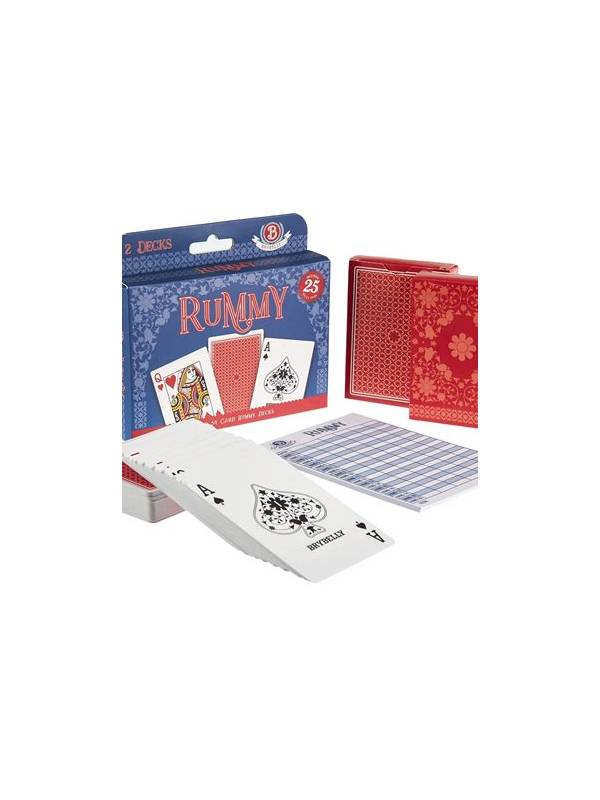
When two cards both seem playable, compare how far each is from making a useful group. This is improvement distance: the number of realistic draws or changes needed before a card contributes to a valid sequence or set. It is a practical way to make a decision without pretending that every possible draw is equally likely.
Start by naming the card’s current job. A six of hearts beside the five and seven of hearts has a short distance because it already completes a sequence. A ten of clubs with no nearby club may have no immediate job, even if it could eventually join a high-card sequence. A pair is also a job, but it is usually less specific than a completed run with a clear missing card.
Next, count the distinct helpful routes. A card that can join two different groups has flexibility, but record whether those routes require several particular cards. For example, a nine may connect to an eight-seven run or a ten-jack run, yet the two routes may compete with one another. Treat it as two possibilities, not as a guarantee of progress.
Use three labels: ready, near, and remote. Ready cards complete a group now or become part of a strong structure with one known change. Near cards have one or two plausible improvements but still need a specific draw. Remote cards depend on a long chain of events, an unlikely duplicate, or a plan that conflicts with the rest of the hand.
Compare cards at the same time. If one card is near and another is remote, the choice is usually clear unless the remote card is very expensive to keep. If both are near, prefer the card whose improvement does not consume a useful card from another group. Also consider what you would discard later if the draw never arrives.
This method is not a probability calculator. It is a discipline for separating a visible connection from a wish. Reassess after every draw, because a previously remote card can become ready while a promising pair can lose its supporting context. Improvement distance works best as a quick explanation for a decision, not as a rigid rule.
Keep the comparison local to the current hand. A card can be remote in one arrangement and near in another, so do not assign permanent values to ranks or suits. If a new card changes two relationships at once, update the distance for both before choosing a discard. This keeps your reasoning tied to evidence instead of habit. It also gives you a useful review note after the hand: ask whether the card was discarded because its route was genuinely remote or because you failed to notice a live connection.
Related Post

Rummy Strategy: Use Negative Space in a Crowded Hand
Looking at what a rummy hand cannot support can reveal which cards deserve less commitment. [...]
Rummy Safety: Check Links Before Following Help Messages
Independent verification can protect rummy players from support messages that use urgent links to request [...]