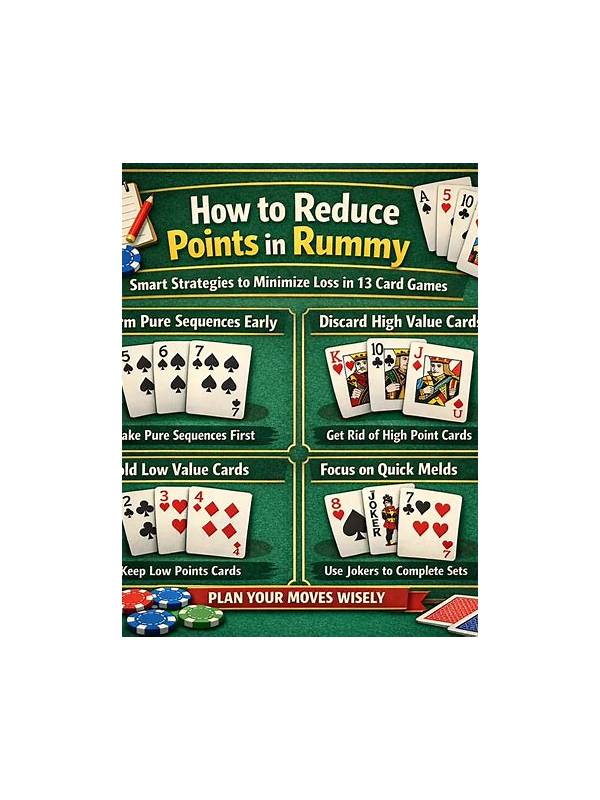
Rummy Comparison: Defensive Discards Versus Productive Discards
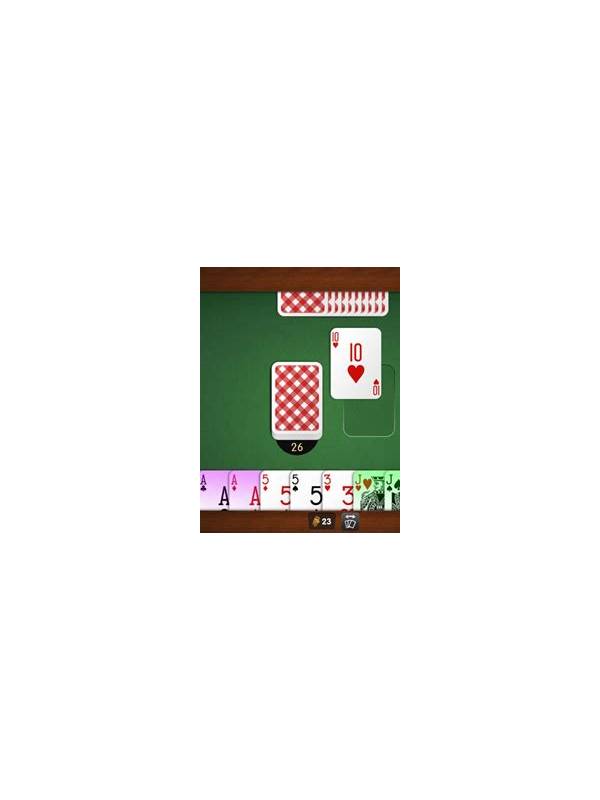
A defensive discard tries to reduce the chance of helping an opponent. A productive discard improves your own hand by removing a weak or expensive card. These aims often agree, but not always. Understanding the difference helps you make a deliberate trade when no option is perfect.
Productive discards begin with your structure. Release a card that has no current role, duplicates a stronger option, or carries a large cost without enough flexibility. This approach usually creates a cleaner hand and a clearer next draw. It is especially useful early, when you have time to rebuild and opponent information is limited.
Defensive discards use available evidence about the table. You may avoid a card that appears likely to complete an opponent’s route or choose a lower-risk alternative. The evidence should be concrete and recent, but it remains uncertain because hands are hidden. Defensive play is not a guarantee; it is a way to compare risks.
To choose between them, list your two or three candidates. For each, write the cost to your hand and the possible help to an opponent. A card with low personal value and high suspected opponent value is an easy defensive choice. A card with high personal cost but uncertain opponent value may be the better productive discard. When the estimates are close, favor the decision that preserves a stronger future structure.
Timing changes the balance. Near the end of a hand, reducing opponent help may deserve more weight if a player appears close to declaring. Earlier, sacrificing your own development to avoid a speculative risk can leave you behind. Format rules and scoring also matter, so do not apply one ratio to every situation.
Review the reasoning after play, not only the result. A productive discard can be correct even if the opponent later uses a similar card, and a defensive discard can be poor if it leaves your hand rigid. Strong judgment comes from explaining which objective you prioritized and why the available evidence supported it.
Sometimes the right answer is a compromise: release a moderately useful card that appears less helpful to an opponent while keeping your strongest route intact. Record that trade clearly. A compromise is easier to assess later when you know which benefit you protected and which cost you accepted. The compromise should still leave a legal and playable hand. Defensive thinking is useful only when it remains connected to your own route toward completion.
Related Post
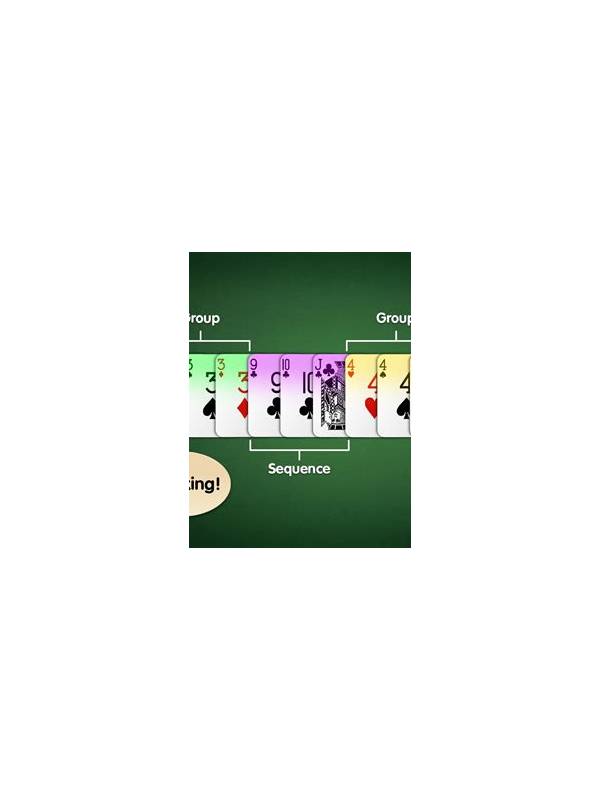
Rummy Hand Sorting When Several Groups Overlap
A structured way to sort overlapping possibilities helps you avoid building too many plans at [...]
Rummy Comparison: Reviewing Before the Draw or After the Discard
Reviewing at different points in a rummy turn reveals different lessons about planning and execution. [...]