Rummy Safety: Keep Notifications From Exposing Private Details
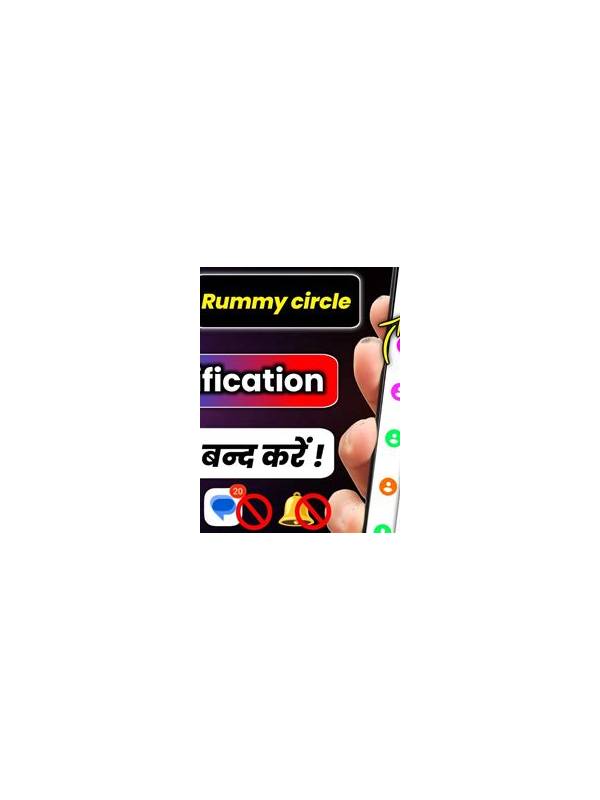
Notifications are convenient during online play, but they can expose private details to anyone who can see your phone or computer. Messages may contain account names, transaction updates, one-time codes, or links. A safer routine reviews what appears on the lock screen and which apps are allowed to interrupt a session.
Start with the device’s notification privacy settings. Many systems let you hide message previews while keeping a simple alert visible. Use that option for financial, authentication, and support apps. If a one-time code is needed, open the protected app directly rather than reading a full code from a public notification banner.
Shared rooms and public spaces deserve extra care. Turn the screen away from casual viewers, use a screen lock when stepping away, and avoid leaving account pages open. If you share a tablet or phone, do not save credentials in a browser profile that other people use. Separate user profiles can help, but they do not replace a password and screen lock.
Be careful with notification links. A message that says an account will be closed or a payment will fail may be designed to make you act before thinking. Do not follow an unexpected link to sign in. Open the official app or type a trusted address yourself, then check whether the alert is real. Support staff should not require your password or authentication code through chat.
During a game, reduce nonessential interruptions. Fewer banners make it easier to concentrate and lower the chance that a private message appears while another person is watching. After play, review recent notifications and clear sensitive previews if your device is used by others.
These steps are simple because privacy protection works best when it fits ordinary behavior. The aim is not to eliminate every alert. It is to control what is displayed, where it is displayed, and whether a surprising message can rush you into sharing information or confirming a transaction.
Check these settings after a system or app update, because defaults can change and new services may request permission. If a notification contains sensitive account information, do not forward a screenshot for help. Remove or obscure the details and contact support through a verified private channel. If privacy settings are unavailable, keep the device face down or out of view and use a private room for account actions. Never treat convenience as a reason to expose a code. Today.
Related Post
How to Keep a Rummy Score Sheet That Helps You Learn
How to Keep a Rummy Score Sheet That Helps You Learn offers practical guidance for [...]
Rummy Guide: Annotate the Discard Pile in Three Layers
A three-layer discard review keeps visible information useful without turning the round into an exhausting [...]