Rummy Comparison: Fixed Plan Versus Adaptive Plan
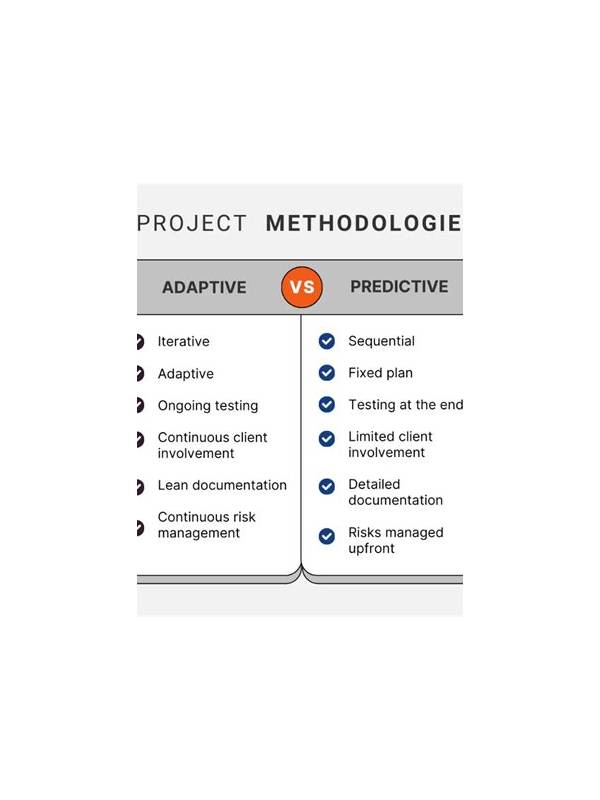
A fixed plan chooses a target structure early and protects it. An adaptive plan begins with a direction but changes when draws and discards provide new information. The choice is not about personality. It is about the hand’s flexibility, the number of turns available, and the cost of abandoning work.
A fixed plan can be useful when you already have a strong foundation. Completed groups and broad connections reduce the need for constant change. Staying focused may prevent unnecessary discards and make the hand easier to track. The risk is attachment: a plan that was strong at the deal can become weak after several relevant cards disappear.
An adaptive plan works well when the hand contains multiple overlapping possibilities. You can compare routes as information arrives and keep the one with the best current outlook. This reduces the chance of waiting too long for one exact card. The risk is overreaction. Changing direction every turn can destroy useful structure and leave no route long enough to mature.
Compare the plans by asking three questions. How much of the hand is already committed? How many useful completions remain? What does a change cost in points, information, and lost flexibility? A fixed approach becomes less attractive when it depends on a narrow draw and carries expensive deadwood. An adaptive approach becomes less attractive when it repeatedly breaks nearly complete groups.
Use a hybrid rule: protect strong foundations, review unfinished routes, and set a deadline for narrow plans. This preserves discipline without making the first idea permanent. The best plan is the one that responds to evidence while keeping the hand understandable. Adaptation should be measured, not constant.
You can identify a fixed-plan mistake by asking whether the same discard would be chosen if you had just received the current hand. If the answer is no, you may be defending history rather than evaluating the present. An adaptive mistake looks different: if every new card causes a complete reset, the hand may need a stable foundation before another change.
Use notes after practice games to track which error appears more often. Some players need to loosen an attachment to the opening plan; others need to stop abandoning useful groups too early. The comparison is most useful when it leads to one small behavioural adjustment rather than a slogan about playing more aggressively.
An adaptive plan still benefits from rules. Preserve completed work unless the change creates a clear improvement, and avoid switching solely because the latest card is attractive. A fixed plan still benefits from review. These guardrails keep both styles deliberate and make their strengths easier to combine.
Related Post
Rummy FAQ: When Should You Stop Reorganizing the Hand?
Reorganizing helps when it reveals new information, but repeated reshuffling can delay a necessary decision. [...]
Indian Rummy FAQ: Is a Pair Always Worth Keeping?
A pair can be useful in Indian rummy, but its value depends on timing, flexibility, [...]