Rummy FAQ: When Should You Stop Reorganizing the Hand?
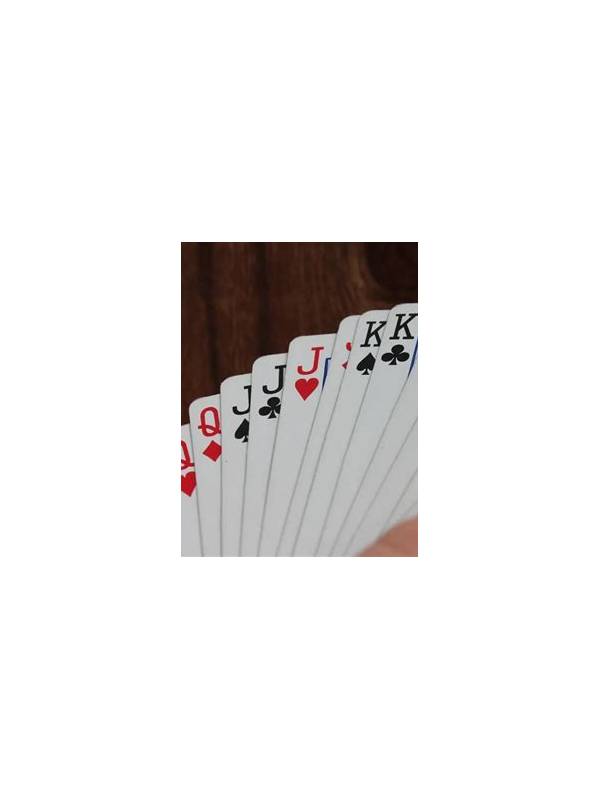
Reorganizing cards is a useful way to see sequences, sets, and isolated points. It becomes unhelpful when the arrangement changes but the evidence does not. If you keep moving the same cards without identifying a new option, the problem may not be sorting; it may be an overdue discard decision.
Stop and evaluate the purpose of the next rearrangement. Can it reveal a group that was hidden by the current layout? Can it test whether a card belongs to two plausible plans? Can it expose an ungrouped card that a declaration would reject? If the answer is no, pause the sorting and return to the current turn’s actual choices.
A helpful stopping rule is to allow one structural sort and one alternative sort. The first can be by suit to inspect runs. The second can be by rank to inspect sets. After that, label each card by its best current job. If the same card remains uncertain, write down the specific condition that would resolve it. A condition such as “keep until one more draw” is actionable; “keep because it might help” is not.
Repeated reorganization can also hide emotional discomfort. A difficult hand may encourage busy work because selecting a discard feels like accepting uncertainty. Notice the pattern without judging yourself. Take a breath, identify the highest-cost unresolved card, and choose a review trigger. If the table timer is short, make the simplest legal, reasoned choice available.
There are legitimate reasons to sort again later. A new card can change the best arrangement, an opponent’s meld can remove an assumption, or a rule reminder can reveal that a group is not valid. In those cases, reorganizing responds to new evidence. The key difference is that the hand has changed in a meaningful way.
After the session, note how often you sorted without changing your plan. If it happened repeatedly, practice timed sorting with a clear endpoint. The goal is not to eliminate organization. It is to use organization as a tool for seeing the hand, then stop when the tool has delivered its information.
You can make the endpoint visible by placing the cards in their chosen groups and leaving them there for one turn. This creates a small commitment to test the arrangement. If new evidence appears, sort again with a stated purpose. If nothing changes, the next useful action is probably a discard or a deliberate hold, not another layout.
Related Post

Rummy FAQ: What Is the Cost of Keeping a Second Joker?
A second joker can add flexibility, but its value should be weighed against space, structure, [...]
Rummy Safety: Keep Notifications From Revealing Your Play
Adjust notification and lock-screen settings to reduce accidental exposure while playing rummy. [...]