Rummy Comparison: Fixed Rules Versus Flexible Personal Rules
Players often say they “have a rule” when they actually have a preference. That distinction matters. A format rule defines what is legal. A personal guideline shapes choices within those legal boundaries. Confusing the two can cause either illegal play or unnecessary rigidity.
Fixed rules are the boundary
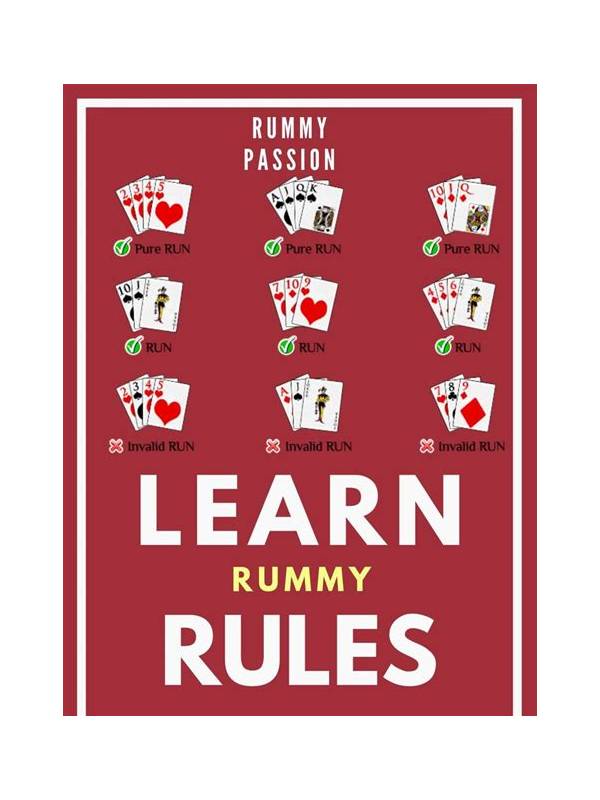
Fixed rules include the number of cards, the definition of a valid sequence or set, declaration requirements, scoring, and timeout procedures. They come from the table or platform. Learn them before the hand and verify them when switching formats. A personal shortcut cannot override them.
Write uncertain rules in a separate list. Do not bury them in strategy notes. When a rule is unclear, pause the decision and consult the official format information if available. Never assume that a familiar variant uses identical declaration conditions.
Personal rules are decision aids
A personal rule might be “release a high isolated card early” or “review the hand after an opponent meld.” These are not universal truths. They are reminders designed for your current skill, risk tolerance, or learning goal. They should be adjustable when evidence shows they are unhelpful.
Good personal rules are specific and observable. “Play better” cannot be checked. “Name the two strongest routes before discarding” can. Keep the list short enough to remember. Three active guidelines are usually more useful than twelve competing slogans.
Compare the advantages
Fixed rules provide certainty but little strategic direction. Personal rules provide direction but can become outdated. Fixed rules should be memorized or quickly accessible. Personal rules should be tested, dated, and revised after a group of hands rather than after one surprising result.
When the two appear to conflict, the fixed rule wins. When two personal rules conflict, choose the one linked to the current objective. If you are practicing hand reading, prioritize the guideline that improves observation. If you are practicing safer sessions, prioritize the guideline that protects your stopping boundary.
Build a two-part reference
Create one page with two headings: “legal requirements” and “current experiments.” Under the first, write plain-language rules and the source or date checked. Under the second, write personal guidelines, what they are meant to improve, and when they should be reviewed.
This separation reduces argument with yourself during play. It also makes switching formats safer because the legal section can be replaced while the strategic experiments remain clearly labeled as experiments. Review personal rules on a schedule rather than during every emotional moment. After several comparable hands, ask whether the guideline improved the intended skill, created hesitation, or simply repeated a fact already covered by the format rules. Keep what is useful, rewrite what is vague, and retire what no longer matches your objective.
Related Post
How to Review a Rummy Hand After the Round
A simple post-round review can turn an uncertain rummy hand into a useful learning exercise. [...]
Rummy Guide: Build a Personal Mistake Taxonomy
Categorizing recurring rummy errors turns vague frustration into specific practice targets. [...]