Rummy FAQ: When Should You Stop Recounting the Same Possibilities?
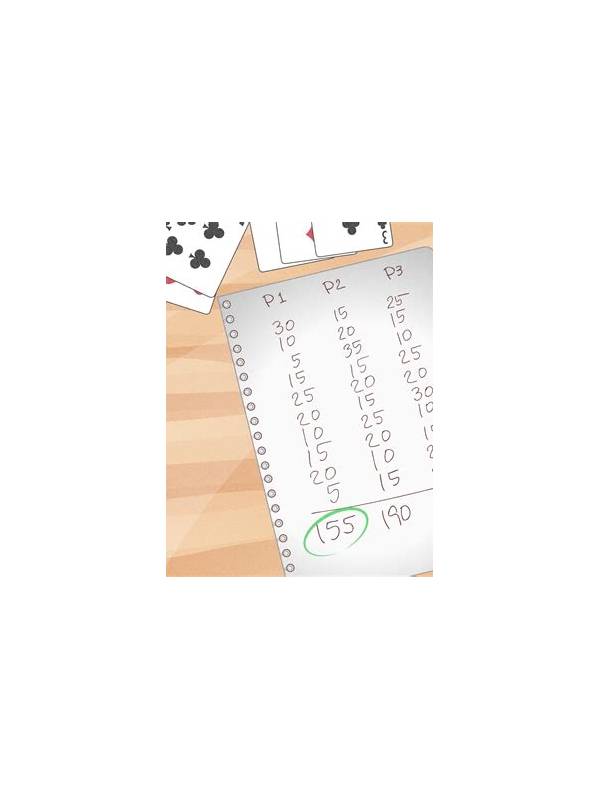
Rechecking a difficult hand can be useful once. Rechecking it repeatedly may create the feeling of control while adding no new information. The key question is whether the latest review changed the available facts, the legal choices, or the risk comparison.
What counts as new information?
A new draw, a public discard, an opponent meld, or a clarified rule can justify a fresh calculation. Rearranging the same cards in a slightly different order usually cannot. If no relevant fact changed, the second review should be shorter than the first.
Use a simple note: “No new information since last comparison.” That sentence makes repetition visible. It also helps separate analysis from anxiety.
Set a review budget
Before a difficult turn, allow one full review and one brief confirmation. In the full review, list legal actions, meaningful structures, useful future cards, and the cost of each route. In the confirmation, ask only whether a new fact invalidates the chosen route. If not, act according to the plan.
The budget is not a claim that every decision deserves the same time. A rule question or declaration check deserves care. A routine discard among several equivalent low-risk cards does not require a complete reconstruction.
Look for a decision threshold
Stop recounting when one option is clearly better on the criteria that matter for the format: legality, hand structure, point exposure, and flexibility. “Clearly better” does not mean certain to win. It means the alternative would need a more favorable future than the current evidence supports.
If two options remain close, use a neutral tie-breaker. Prefer the route that preserves a pure sequence, removes more risk, or is easier to explain. The goal is a consistent choice, not a perfect prediction.
Notice physical warning signs
Repeated recounting may be accompanied by faster tapping, tense attention, or an urge to recover from an earlier mistake. These signs are not evidence that the hand needs more analysis. Pause, look away briefly, and return to the written criteria. If the urgency remains, ending the session may be the safer decision.
Review the process later
After the hand, record whether the extra recount found new information. If it did not, shorten the next review. If it did, identify what changed. This turns a frustrating habit into a measurable practice and keeps careful analysis available for moments when it genuinely helps. You can make the stopping rule visible by placing it beside the hand notes: “new information or act.” That phrase reminds you that analysis has two legitimate endings. Either a new fact arrives and deserves an update, or the current comparison is sufficient and the action should follow. A rule like this is helpful when the hand is ordinary but your attention is not.
Related Post
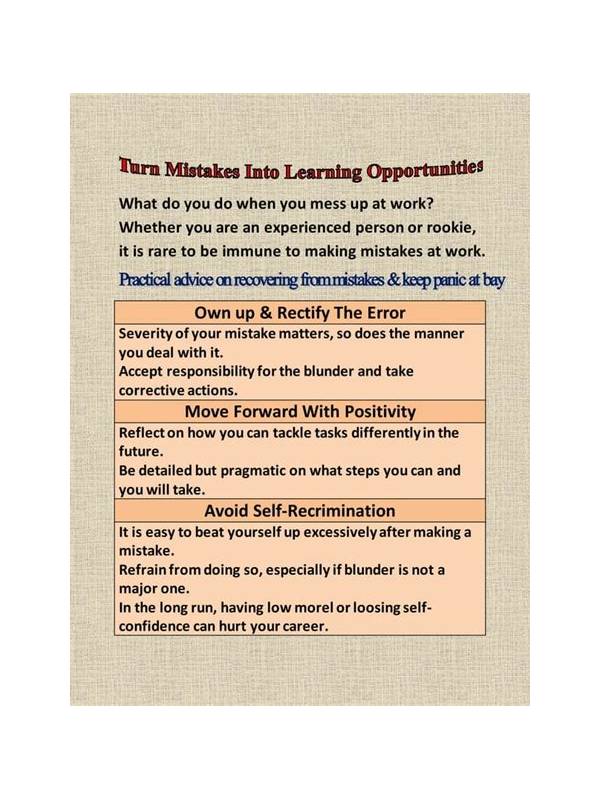
Rummy Learning: Turn Mistakes Into Specific Questions
Specific review questions make rummy mistakes easier to understand and improve. [...]
How to Separate Rummy Skill Practice from Real-Money Play
Separating learning exercises from financial play makes progress easier to measure and risk easier to [...]