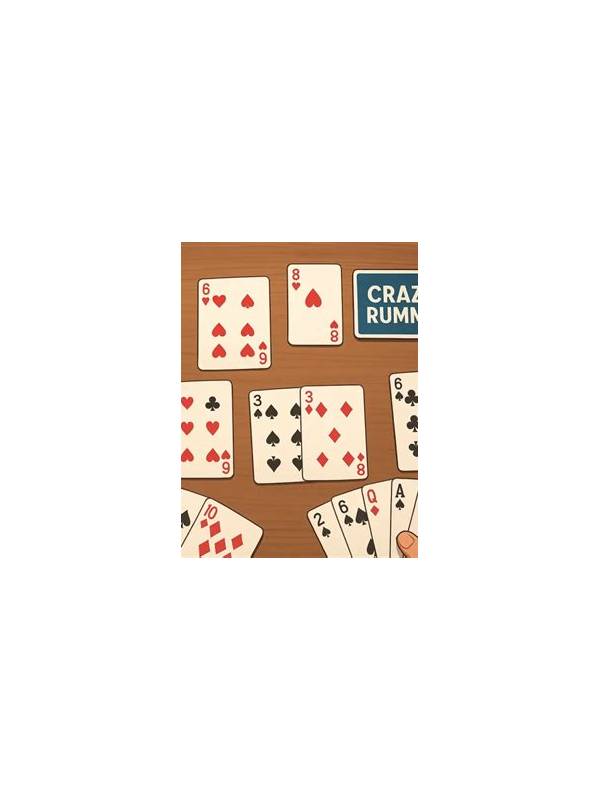
Rummy Comparison: Group Routes Versus Sequence Routes
Many rummy hands contain both potential groups and potential sequences. The difficult choice is not deciding which type is better in general; it is deciding which route fits the cards currently available. A fair comparison looks at requirements, useful cards, and the cost of changing direction.
The comparison can be simplified when time is short. Give each route a score for current fit, number of useful cards, and abandonment cost, using low, medium, or high rather than precise numbers. A group with medium fit, one useful card, and low abandonment cost may be less attractive than a sequence with medium fit, three useful cards, and medium abandonment cost. This quick matrix keeps the decision grounded in structure and makes it easier to explain later why you changed direction.
A group route relies on matching ranks in different suits. Its strength is often compactness: two cards of the same rank can become useful if one matching suit appears. Its weakness is that the route may depend on a narrow rank, and holding several pairs can leave the hand waiting on too many separate matches. Check how many suits are represented and whether you already have another card of the same rank.
A sequence route relies on neighboring ranks in one suit. It can offer multiple entry points when cards are consecutive or nearly consecutive. However, a gap matters. An eight and ten are not the same as an eight and nine, and a long sequence may require several precise cards. A sequence route can also become awkward when you hold many suits but only one card in each.
Compare the number of useful cards for each plan. Then compare the repair cost if the next draw misses. A group that needs one rank match may be easier to abandon cleanly than a sequence that has accumulated several connected cards. On the other hand, a sequence with two open ends may remain viable longer than a pair with only one remaining match.
Table information changes the comparison. A visible discard of a needed rank can lower a group’s appeal. A discard that confirms a suit is being avoided may alter how confidently you keep a sequence, but never treat one discard as proof of an opponent’s entire hand. The best plan is usually the one with more credible exits, not the one that looked most promising at the beginning.
During review, draw two simple diagrams: list the cards needed for the group route and list those needed for the sequence route. Mark routes that overlap. This makes hidden costs visible and shows whether one new card could improve both. Use the comparison as a guide, then reassess after each draw. A route is a working hypothesis, not a promise.
Related Post
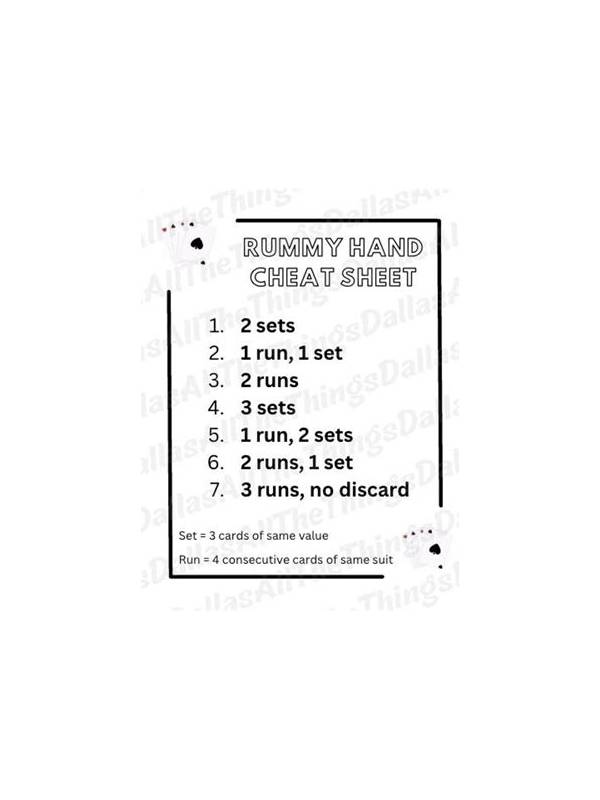
Rummy Tips: Make Your Hand Review Order Consistent
A fixed review order helps players inspect legality, structure, risk, and next actions without overlooking [...]
Rummy FAQ: What Does a Dead End Look Like?
A dead-end holding has little support, few repairs, and a high cost if it remains [...]