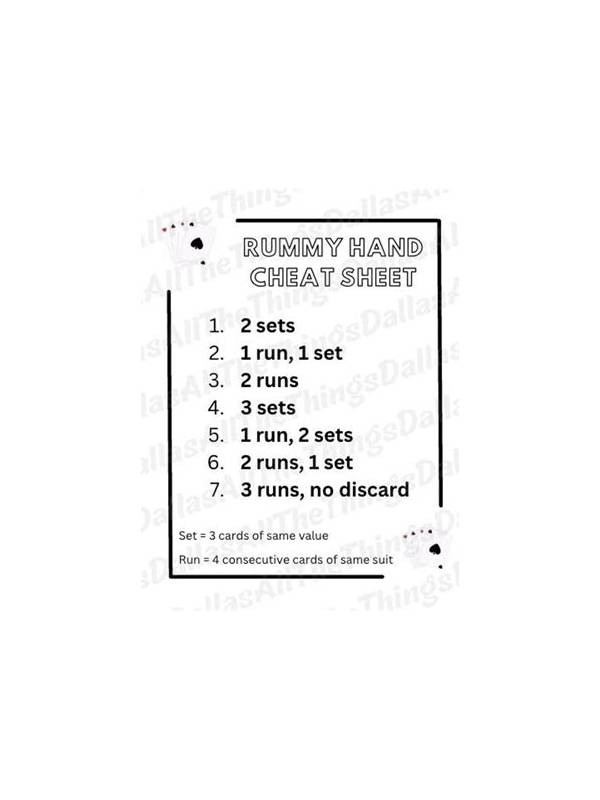
Rummy Comparison: Immediate Melds Versus Flexible Holding
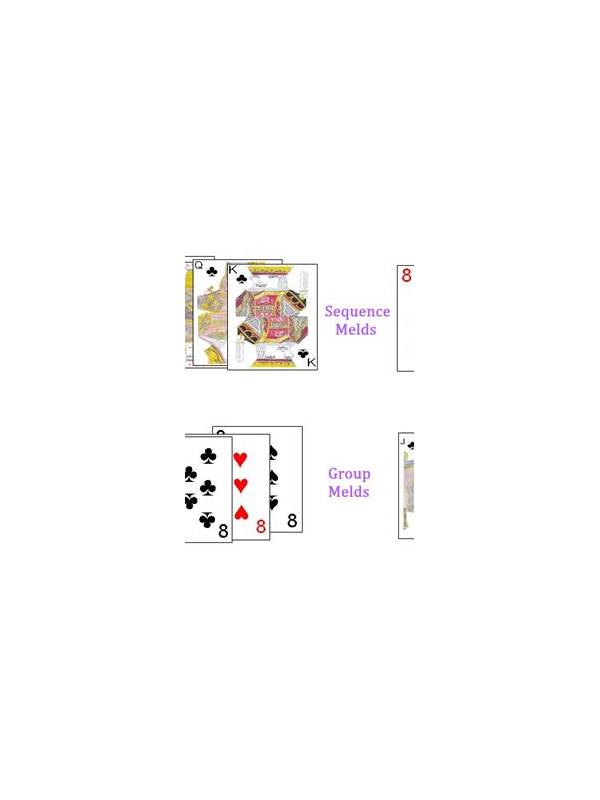
An immediate meld feels satisfying because it turns visible cards into progress. A flexible holding may look unfinished but preserve several future routes. Neither choice is always best. The useful comparison is how each option changes legality, risk, and the number of good next moves.
Start with the immediate meld. Identify exactly what it completes and what it leaves behind. If it satisfies a required pure sequence or removes high-penalty cards, its value may be substantial. Check that the group is legal in the current variant and that using a shared card does not break another necessary group.
Now examine the flexible holding. Count its plausible improvements and the number of cards that would make those improvements useful. A pair connected to two nearby ranks may offer more routes than a completed low-value set. But flexibility is only valuable if you can afford to wait and if the holding does not keep too many expensive loose cards.
Timing changes the comparison. Early in a round, preserving options can be reasonable because several draws remain. Near the end, an immediate legal group or lower-penalty arrangement may deserve priority. The table’s pace and the opponent’s visible progress also matter, but avoid treating a few visible actions as certainty.
Use a three-question test: Does the immediate meld meet a requirement? What does it cost to preserve flexibility? Which option has the safer exit if the next draw misses? If the answers are close, favor the simpler legal structure and keep a short note about the alternative.
The best decision is not the one that looks most complete. It is the one that improves the hand while keeping an honest view of what remains uncertain. Compare both routes before committing, then reassess when a new card changes the evidence.
Make the comparison concrete by imagining what each option leaves behind. An immediate set may remove a costly card, while a flexible pair may keep two sequence routes alive. Ask which choice has the safer exit if the next draw misses. If both remain close, favor the route that is easier to verify under a timer.
Make the comparison concrete by imagining what each option leaves behind. An immediate set may remove a costly card, while a flexible pair may keep two sequence routes alive. Ask which choice has the safer exit if the next draw misses. A good comparison names the benefit, the cost, and the fallback rather than declaring one visual pattern universally best.
Related Post
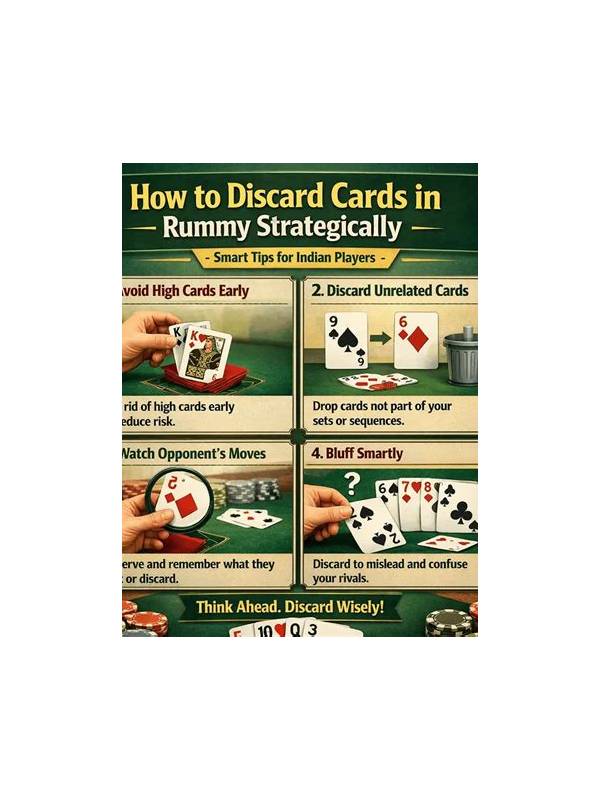
Rummy How-To: Read an Opponent’s Discard Pattern Carefully
A careful discard review can provide useful clues without turning limited table information into false [...]
Rummy Sequence Choices: Compare a Short Sure Group with a Longer Idea
Compare short reliable groups with longer sequence ideas using flexibility, evidence, and waiting cost. [...]