Rummy Comparison: Immediate Points Versus Hand Structure
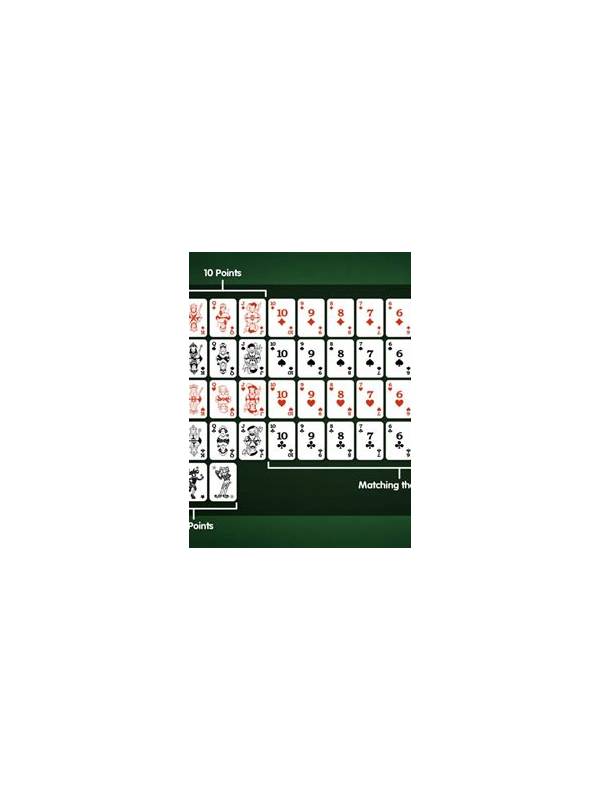
A low-point card is tempting to discard or protect, but points are only one part of a rummy decision. A higher-point card may be central to a nearly complete group, while a low-point card may be blocking several weak plans. Comparing points with structure produces a more balanced choice.
Start by recording the immediate point effect of each candidate action under the table’s rules. Then describe the structural effect. Does the action complete a group, preserve a required sequence, create a clean discard, or merely postpone a decision? A point gain with no structural improvement may be temporary, while a structural improvement can reduce future uncertainty.
Consider the cost of failure. If keeping a high-point card protects a strong group, the risk may be acceptable. If the group needs one exact card and has no backup, the points may not justify waiting. Conversely, discarding a low-point card can still be poor if it removes the only flexible connector in the hand.
Compare the next turn as well. Which choice leaves more legal arrangements and a clearer discard? Which one reduces the number of cards that must be remembered? When the options are close, favor the action that keeps the hand easier to audit. A simpler hand reduces the chance of a later grouping or declaration mistake.
This comparison is not a mathematical promise. It is a way to state the trade-off honestly: “I gave up a little point value to preserve a stronger structure,” or the reverse. Clear reasoning makes later review useful, regardless of the result.
The comparison can be written as a small two-column note: immediate effect and structural effect. This makes it easier to see why two players might choose differently from the same position. One may prioritize reducing penalty points, while another may protect a legal sequence. The important habit is to identify the trade-off before acting and to judge the reasoning using the rules that actually applied.
If a decision cannot be made confidently, choose the option that keeps the hand legal and understandable, then note the uncertainty. You can study that position later with a practice deck or a rules reference. This approach respects the timer while preserving a useful learning question. It also avoids pretending that a precise answer exists when the unseen cards make several outcomes possible.
Over time, these notes can show whether you consistently favor points or structure. That pattern is useful only if it is observed without judgment. Adjust one habit at a time and keep the session within its planned limits.
Related Post
Rummy FAQ: Should You Keep Two Cards for One Exact Draw?
Keeping a narrow pair can be correct, but only when its payoff outweighs the point [...]
Rummy FAQ: Does a Quick Start Mean a Better Hand?
An early connection can help, but its real value depends on flexibility, validity, and the [...]