Rummy Safety: Keep Learning Notes Free of Sensitive Details
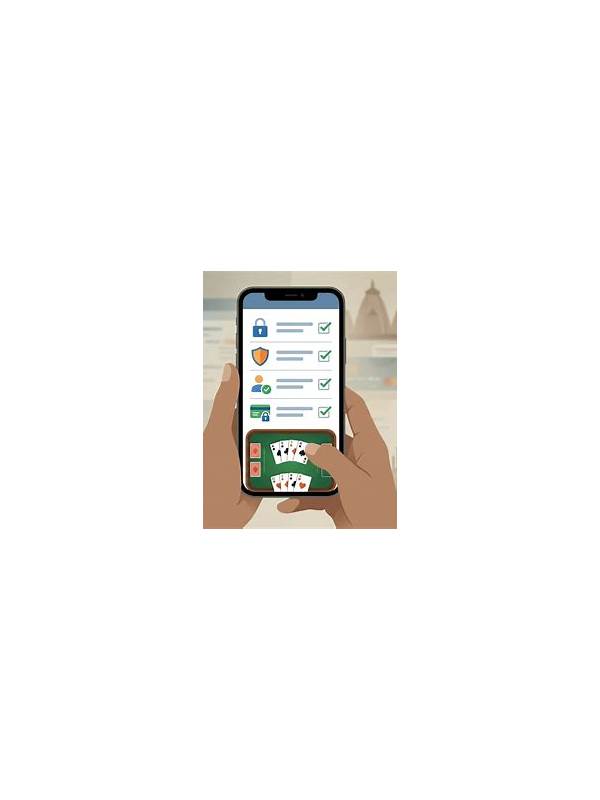
A practice journal can improve rummy decisions, but it should not become a collection of sensitive data. Learning notes need only enough information to reconstruct a decision. Account identifiers, payment details, passwords, one-time codes, and another player’s personal information do not belong in a strategy notebook.
Use neutral labels such as “practice hand A” or “evening session.” Record the format, the decision point, and the lesson. For a discard review, note the candidate cards and the reasoning, not the full account screen or a screenshot containing private information. If a screenshot is necessary for a technical report, store it securely and remove it when the issue is resolved.
Separate learning notes from support records. A support record may need an approximate time, an error message, or a transaction reference handled through an official process. A strategy note usually does not need any of those details. Keeping the records separate makes it less likely that private information will be copied into a casual document.
Review the journal occasionally. Delete entries that no longer support a current learning goal, and protect any remaining notes with the device’s normal security controls. Avoid sharing raw notes in public groups when a short, anonymized question will do. Do not ask others to send credentials or private screenshots to help with a gameplay question.
Good records make decisions clearer while respecting privacy. The best note is often a single sentence: what choice was available, what evidence mattered, and what question to test next. That is enough to support learning without creating unnecessary exposure.
Use general descriptions when discussing a hand with friends or a public community. You can say that a connector was held too long or that a declaration check was missed without naming an account, table, or person. If someone offers to troubleshoot a technical problem, use the service’s official process instead of sending private images through an informal channel. Privacy and learning can work together when notes are intentionally minimal.
Consider a retention period for ordinary practice notes, such as reviewing them after a week and removing entries that no longer answer a question. Keep the journal readable and limited. A short record that you actually use is safer and more valuable than a large archive of copied screens, names, and transaction details.
If notes are synchronized across devices, check the privacy settings and remove shared access that is no longer needed. The journal should be protected like any other personal document, even when its contents seem harmless.
Related Post

Rummy FAQ: Is a Joker Always the Best Card to Keep?
A joker is flexible, but its best use depends on the groups it can improve [...]
Rummy Safety: Keep Notifications From Revealing Your Play
Adjust notification and lock-screen settings to reduce accidental exposure while playing rummy. [...]