Rummy Comparison: Keeping a Pair or Chasing a Run
Remember that a pair and a run fragment can coexist while you gather information. You do not always have to choose immediately. Hold both only when the rest of the hand can tolerate the space and penalty. As soon as one route gains a clear edge, release the weaker structure. This prevents indecision from becoming a hidden cost while preserving flexibility during the useful early part of a round.
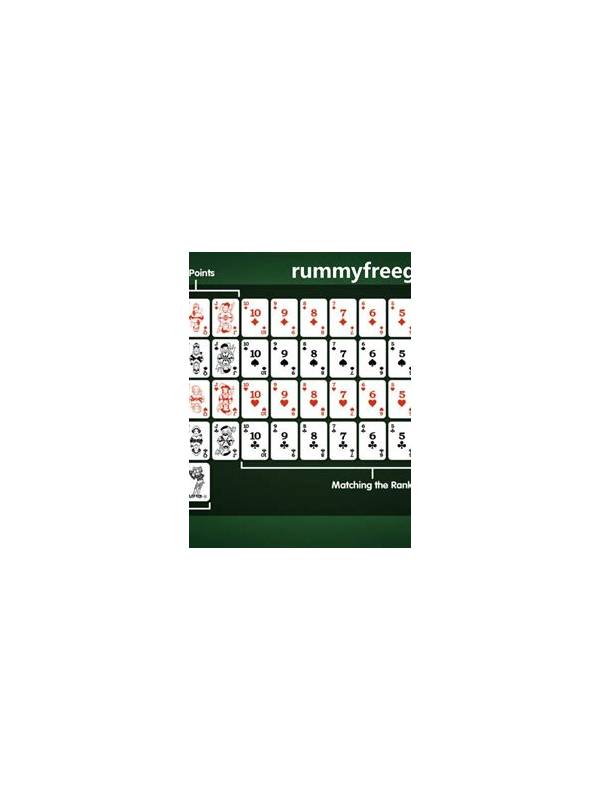
Pairs and run fragments create different kinds of promise. A pair can become a set if another matching rank arrives, while a connected sequence can grow from either side when the format allows it. Choosing between them is not about which shape sounds stronger; it is about completion chances, discard risk, and what the rest of your hand needs.
Start with the number of useful unseen cards. A pair may need cards of one rank, often from several suits. A two-card run may need one of a smaller set of neighboring ranks, but the available suits and edge rules matter. Count realistic outs rather than all cards that could theoretically help. A route with more outs is not automatically better if it leaves a costly remainder.
Next examine flexibility. A pair usually has a clear destination, but can be awkward if the matching rank is being collected by another player. A run fragment may have two ends, yet become trapped at a boundary or compete with your other cards. Draw a quick layout for each option and circle the cards that would remain outside it.
Timing also matters. If the hand is moving quickly, a stable pair may be preferable to a speculative run. If several turns remain and the discard pile is providing relevant neighbors, the run may deserve patience. Keep your decision proportional to the format’s scoring: a low-value loose card may be tolerable when the potential improvement is large, while a high penalty demands a clearer exit.
Reassess after every meaningful discard. The best choice can change without a new card entering your hand. Treat both pair and run as temporary hypotheses. Keep the one with the better combination of useful outs, lower exposure, and cleaner final hand. This comparison skill transfers across formats because it focuses on evidence instead of habit.
Related Post

Rummy Safety: Create a Quiet Environment for Better Decisions
Reducing interruptions and notification noise can protect attention during a focused rummy session. [...]
Rummy Comparison: Open-Ended Draws Versus Pair-Based Draws
Compare two common types of unfinished combinations by flexibility, exposure, and fallback value. [...]