Rummy Score Review: Separate Skill Errors From Bad Luck
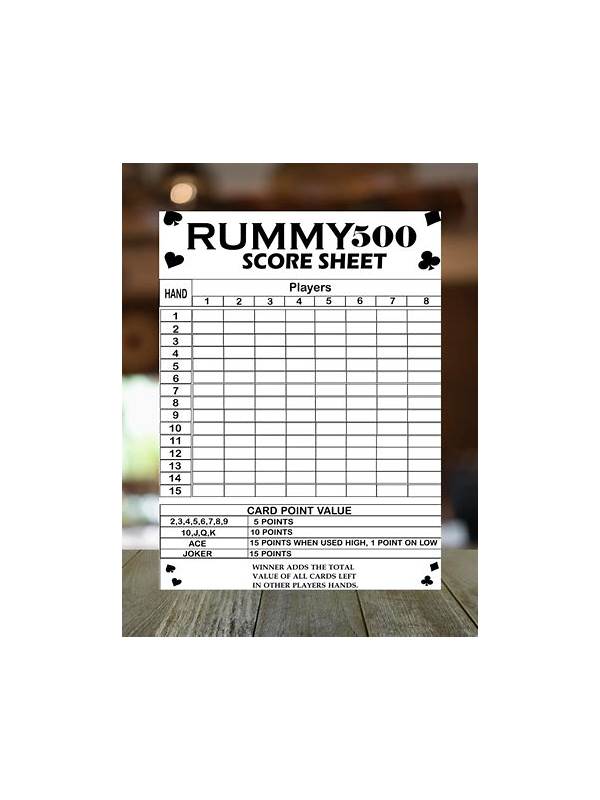
A loss can teach you something, but only if you review it accurately. Many players judge every decision by the final result: a winning draw becomes brilliant and a losing draw becomes foolish. That approach confuses outcome with process. A short score review should ask whether the decision was reasonable with the information available at the time.
Start by recording the hand’s turning points. Note your opening structure, the first major discard, any decision to change plans, and the final arrangement. You do not need a perfect replay. A few clear checkpoints are enough to reveal patterns. Beside each decision, write the best evidence you had and the risk you accepted.
Next, classify the result. A sound decision with an unfavorable draw is a variance event. A weak decision that happened to work is a lucky escape. A repeatable mistake is a process problem. For example, holding an isolated high card because it might join two routes may be defensible once, but doing so repeatedly without a deadline suggests poor hand management.
Review points separately from completion. You may have failed to finish, yet still reduced your liability early. You may also have completed a hand while exposing yourself to unnecessary risk. Ask whether the choice improved your expected position, not whether it produced an immediate win. This keeps the review useful during losing stretches.
Look for one adjustment only. If you list ten changes, none will be tested clearly in the next session. Choose a small behavior such as checking the weakest card after every draw, confirming the pure sequence before arranging a declaration, or stopping a narrow chase after two unhelpful turns. Write the adjustment in one sentence.
End the review by noting what cannot be controlled. Unknown draws, opponents’ hidden cards, connection interruptions, and table pace can all affect a result. Accepting those factors is not an excuse; it prevents you from overcorrecting. A fair review improves decisions while leaving room for normal uncertainty.
Try to review before starting another session. Immediate replay often carries the previous hand’s frustration into the next one, making every similar situation feel urgent. A short pause, a neutral record, and one chosen adjustment create a better boundary between hands. If you cannot remember why you made a decision, mark the situation as uncertain rather than inventing a reason afterward. Honest uncertainty is useful data too. It may show that you need a clearer routine for identifying groups, checking requirements, or recording the important turn.
Related Post

Rummy Safety: Check Privacy Before Using a New App
Reviewing permissions and privacy settings before use can reduce unnecessary exposure of personal information. [...]
Reading the First Four Turns in Indian Rummy
A practical guide to using the opening turns to organize a rummy hand without rushing [...]