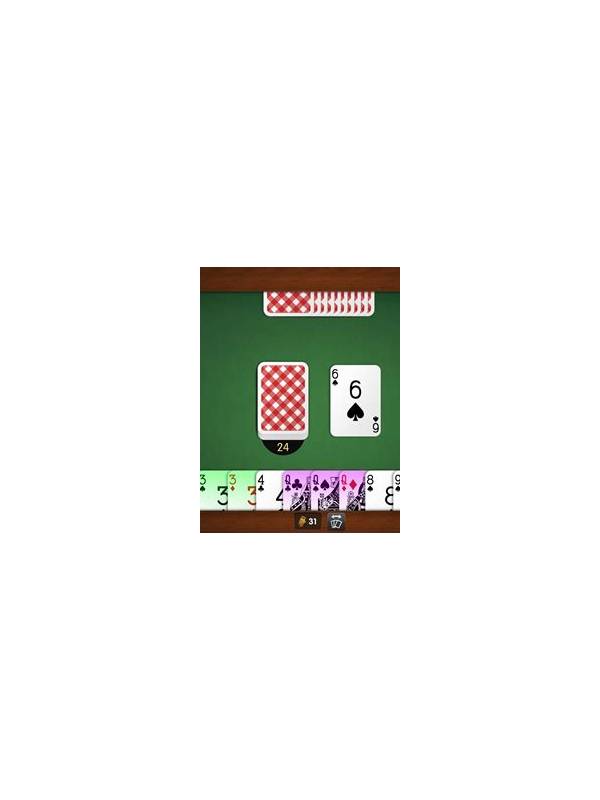
Rummy Comparison: Memory Notes Versus Visual Sorting
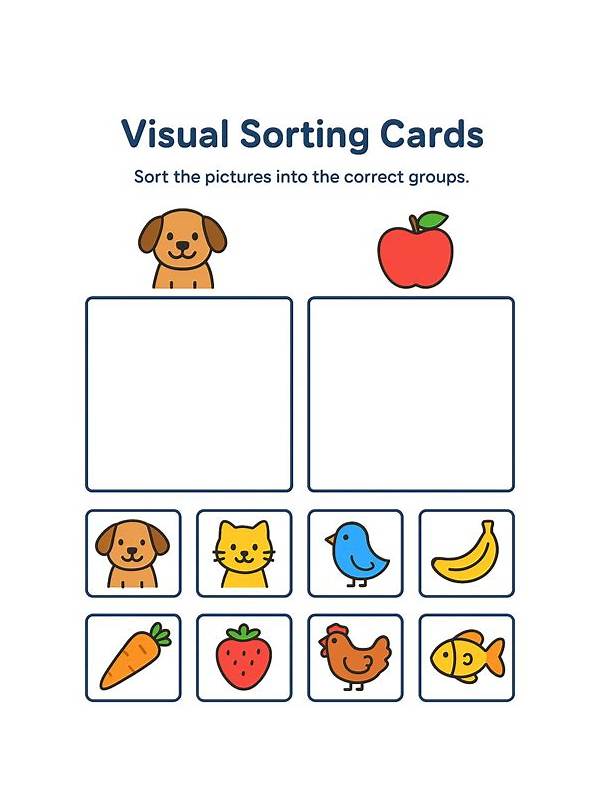
Memory notes and visual sorting are two ways to manage information in rummy. Notes help preserve table evidence across turns, while visual sorting makes the current hand easier to inspect. Choosing between them depends on the complexity of the round and the tools allowed by the platform or table.
Visual sorting is immediate. Grouping by suit can reveal sequence possibilities; grouping by rank can expose sets and duplicates. Leaving gaps between groups shows which cards are uncommitted. This method is fast and requires no writing, but it can hide the history of the table once many turns have passed.
Memory notes are useful for selected facts: a player took a particular connector, several cards of a suit were discarded, or a route was abandoned. Notes create an external reminder, which is helpful when the round is long. Their weakness is clutter. Recording every card can distract from your own legal hand and encourage overconfident predictions.
Compare the methods by the question you need to answer. “What can I make now?” favors visual sorting. “Which visible card might be risky?” favors a brief note. “What was my plan before the last draw?” can be answered by a small route label near the hand. Use the lightest method that solves the problem, and follow any rules about permitted aids.
A combined routine is often effective. Sort the hand into roles, then keep no more than three table notes: a likely opponent signal, a card to avoid gifting when tied, and your current bottleneck. Delete or revise notes when new evidence appears. This prevents old assumptions from becoming permanent beliefs.
Practice both approaches in free or offline rounds. After each turn, ask whether the layout or note actually changed your choice. If it did not, simplify. Good information management should make decisions clearer and calmer, not turn a card game into a paperwork exercise. The best system is the one you can maintain accurately while still watching the hand.
If notes are not permitted, rely on memory and the visible layout alone. The principle still applies: preserve only information that changes a decision. In a casual practice round, experiment with different layouts and describe the hand from memory. This reveals which relationships are naturally easy to retain and which need a deliberate visual cue, without making external aids part of competitive play.
Notes are most valuable when they are time-stamped or tied to a turn. “Player took the nine of hearts on turn six” is more useful than “player likes hearts.” Specific notes can be checked against later evidence, while broad labels encourage confirmation bias. Whether you use paper or a permitted digital aid, keep the record brief, legible, and limited to the current round.
Related Post
Rummy Guide: Build a Small Observation Window
A small observation window helps players notice meaningful changes without trying to remember the whole [...]
Rummy Guide: Identify the Most Expensive Unconnected Card
Find the card that creates the greatest risk when it has no credible role in [...]