Rummy Guide: Use a Turn Clock to Protect Decision Quality

Online rummy rewards attention, but attention is not unlimited. A player can spend too long examining one hand, then make a hurried decision on the next turn because the session has fallen behind. A simple turn clock creates a repeatable pace. It is not a demand to act quickly; it is a reminder to use time deliberately.
Start by dividing a turn into three short phases: observe, compare, and confirm. During observation, check the new card, the discard pile, and any visible change at the table. During comparison, identify two realistic uses for the card and one release candidate. During confirmation, verify the intended meld and discard before tapping. The exact length of each phase depends on the format and interface.
The clock should be a range rather than a rigid deadline. For a familiar hand, observation may take only a few seconds. A complicated turn may deserve more time, especially when a declaration is close or the rules are unfamiliar. The useful question is whether extra time is producing new evidence. If you are repeating the same thoughts, the clock has already done its job.
Use a pause signal when the normal range is not enough. A pause signal can be a quiet phrase such as “new information” or a physical action such as placing the phone down for one breath. It gives you permission to slow down without turning every turn into an emergency. Never allow a timer to override the platform’s stated turn limit.
After a session, review pace rather than judging only results. Mark turns where you acted immediately, turns where you became stuck, and turns where a brief check would have prevented a mistake. You may discover that the problem is not slow play but uneven attention. A turn clock makes that pattern visible.
The method works best when paired with a fixed checklist. Keep the checklist short: What changed? Which card has the strongest current job? What can leave with the least damage? Then act. A consistent sequence reduces mental noise and leaves more energy for genuinely difficult decisions.
Finally, treat the clock as a self-management tool, not a competitive weapon. Do not pressure another player or ignore accessibility needs. A calm, repeatable pace protects accuracy, makes breaks easier to schedule, and helps you learn from decisions instead of from the emotional swing of a single outcome.
If the timer creates anxiety, shorten the checklist rather than abandoning it. One breath, one scan of the new information, and one deliberate confirmation can be enough. The objective is a reliable rhythm that leaves room for exceptions. Pace should support concentration, especially when the hand is ordinary and does not deserve an elaborate analysis.
Related Post
Rummy Table Timing: Making Decisions Before the Clock Runs Out
A repeatable timing routine helps players make accurate rummy moves under a table timer. [...]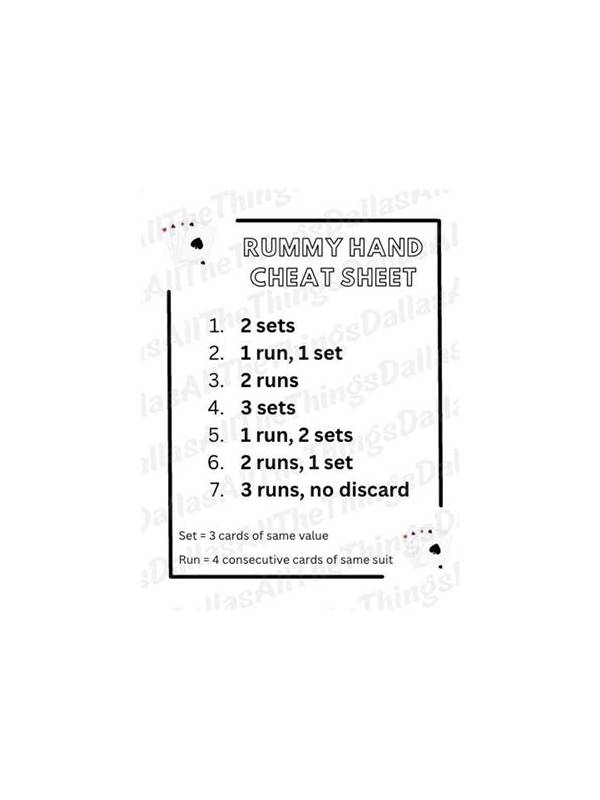
Rummy Guide: Use Card Groups Without Losing the Whole Hand
Grouping cards helps planning, but temporary groups should remain open to revision. [...]