Rummy Comparison: Narrow Routes Versus Wide Routes
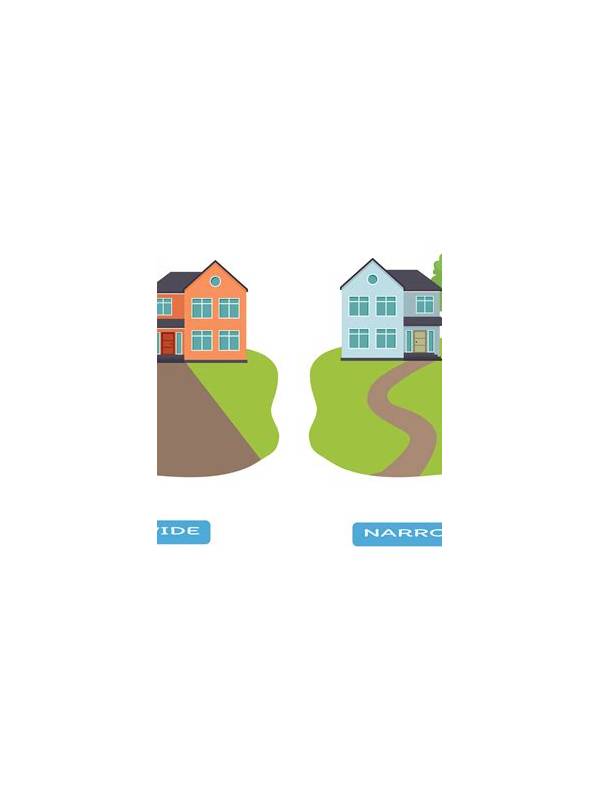
A narrow route aims at one specific completion, while a wide route keeps several possible melds alive. Narrow routes can finish quickly when the needed card is likely. Wide routes can survive missed draws and changing information. The best choice depends on how much time remains, how expensive the loose cards are, and whether the route supports the table’s declaration rules.
To evaluate a narrow route, name the exact missing cards. If one card completes a sequence and the rest of the hand is already organized, the route may be efficient. But a single-out plan is fragile. If the missing card is visible in a player’s discard or has already been used in a completed group, its practical probability is lower. Do not count a card as “live” simply because the deck theoretically contains it.
A wide route may involve a connector that can join two sequences, a pair that can become a set, or a joker that can serve more than one group. Its advantage is optionality. Its cost is that the hand may remain unfinished for longer, and holding several options can leave too many points exposed. Wide routes work best when your loose cards are low or when you have enough turns to observe the table.
Compare routes with three measurements: useful draws, penalty if no improvement arrives, and the number of completed groups created by the next successful draw. A narrow route can win the first measurement but lose the second. A wide route can look messy but score well because several draws improve it. Write the measurements down during practice; doing so trains you to see structure rather than only the most exciting possibility.
Change routes deliberately. Set a checkpoint after the next draw or after two turns, and decide what evidence would make you abandon the current plan. Without a checkpoint, players often keep chasing a card because they have already invested time in the route. A clear exit condition protects both the hand and the session. In short, narrow routes reward evidence and timing; wide routes reward flexibility and disciplined simplification. One useful exercise is to compare routes before looking at the next card. Deal a practice hand, identify one narrow and one wide plan, and write the best and worst likely result for each. Then reveal cards one at a time and note when the preferred plan changes. This teaches the important skill of switching without embarrassment. A route is a temporary model of the hand, not a promise. When new evidence weakens it, changing plans is a sign of good control rather than inconsistency.
Related Post
Rummy How-To: Write a One-Line Plan After Each Draw
A one-line plan keeps the next decision visible and makes later hand reviews faster and [...]
Rummy Comparison: Flat Goals Versus Milestone Goals
Compare broad session goals with small rummy milestones to find a practice target you can [...]