Rummy Comparison: One-Card Progress Versus Whole-Hand Stability
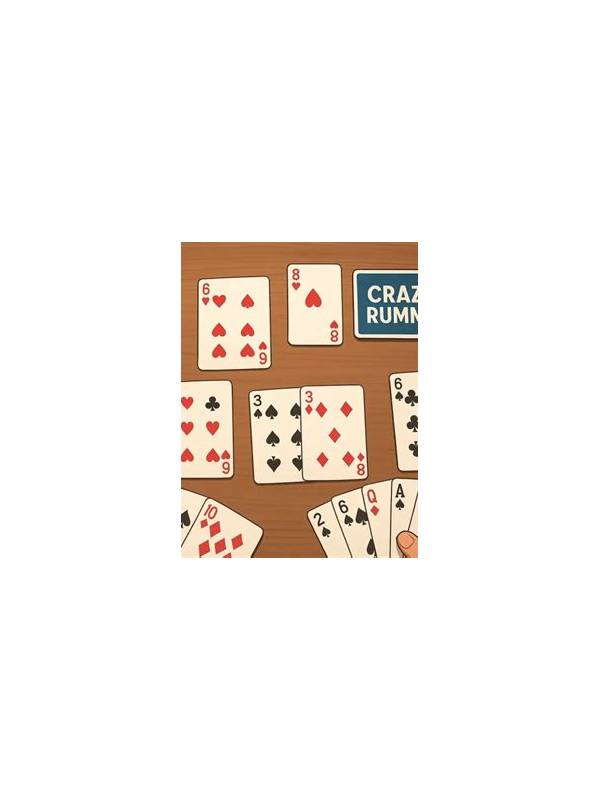
Rummy decisions often look attractive because one card would create visible progress. A pair needs one neighbor, or a set needs one matching rank. That progress is real, but it is only one part of the evaluation. The rest of the hand may become weaker while you wait.
One-card progress describes distance from a specific goal. It is easy to see and easy to count. Whole-hand stability includes the number of unfinished groups, their point cost, their alternative routes, and the cards you may discard if the plan fails. A hand with one nearly complete group can still be unstable if every other card is stranded.
Compare two choices by asking four questions. How many cards can improve the plan? How many cards can repair the rest of the hand? What is the penalty if the next draw misses? What can be discarded without giving away a useful clue? These questions do not produce exact odds, but they make the trade-off visible.
For example, holding a narrow pair may offer immediate progress while preserving a high-point singleton. Breaking the pair could feel like losing momentum, yet it may create a cleaner layout with two flexible connectors and a lower penalty. The better choice depends on the format and evidence, not on the emotional satisfaction of seeing a pair.
In practice, make two sketches. In the first, keep the card that offers one-card progress. In the second, release it and arrange the remaining cards. Compare the sketches after one hypothetical miss. Which hand still has a reasonable action? The answer reveals stability more clearly than the original draw.
Progress and stability are not enemies. A strong choice often improves both. When they conflict, give the narrow plan a clear deadline and protect a backup route. This keeps the hand moving without allowing a single attractive possibility to control every future turn. Stability is also affected by attention. A plan requiring constant calculation may be less practical late in a session than a slightly less efficient plan that you can verify. If you are tired or distracted, reduce the number of active ideas and choose the route with the clearest next action.
Afterward, review the decision with the same comparison. Ask which plan had better stability at the moment you chose, not which plan happened to receive the needed card. This keeps hindsight from rewriting the quality of the original choice. Whole-hand stability is easier to see when you physically separate completed groups from candidates. The remaining cards show whether the apparent progress has actually reduced the number of decisions still required.
Related Post
Rummy Tips: Make Discards Easy to Reconstruct Later
A consistent discard habit improves both immediate clarity and later hand review. [...]
Rummy Guide: Use a Turn Budget for Every Unfinished Group
A turn budget helps you decide when an unfinished rummy group has used too much [...]