Rummy Comparison: Open-Ended Draws and Inside Draws
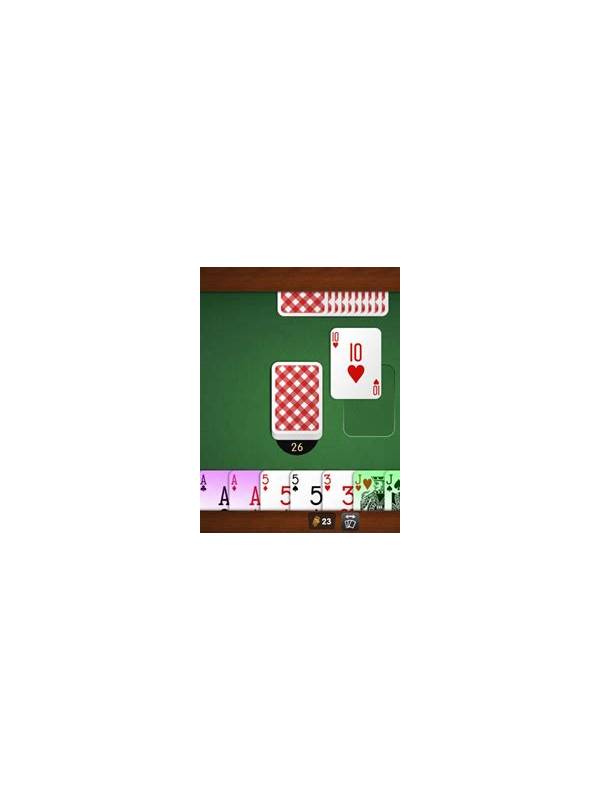
An open-ended draw can be completed from either end of a sequence, while an inside draw generally needs one rank in the middle. The first often offers more theoretical outs, but practical value depends on the rest of the hand, visible cards, and time remaining.
Start by confirming the exact sequence rules. A flexible draw is useful only if the resulting group is legal and can coexist with the hand’s other requirements. Then list the missing ranks and check whether any are already visible, duplicated in a conflicting plan, or likely to leave an expensive card behind.
Open-ended draws usually preserve more routes. They can be especially attractive early when several turns remain. However, they may involve low-progress cards or compete with a pure sequence you must protect. Inside draws can be narrower but may complete a plan that is already well organized. A narrow, near-finished plan can beat a broad, distant one.
Compare the options using four questions: how many realistic cards help, how many cards are already placed, what happens after a miss, and what alternative plan survives? Do not count every possible rank equally. A card that helps one plan while damaging another has a different value from an unused card with no conflict.
Turn position should guide commitment. If the hand is young, preserve a broad route and set a review point. If the hand is approaching its end, favor the plan with a credible completion distance and manageable leftovers. When both choices are close, a reversible discard can protect you from having to predict the exact next card.
Jokers can change the comparison, but they do not erase it. A joker may widen an inside draw or finish another group, and its best use depends on the declaration rules. Place it mentally in each candidate arrangement and check which plan produces a complete, valid hand.
Review the comparison after practice. Note whether you overvalued theoretical outs or undervalued existing progress. The lesson is not that open-ended draws are always better. It is that flexibility, distance, legality, and opportunity cost must be read together before you commit. Do not assume that an open-ended draw is safe simply because it has two ends. One end may be blocked by an existing group, a visible card, or a declaration constraint. Likewise, an inside draw may be useful as part of a backup plan. The comparison belongs to the hand, not to the label alone.
Related Post
Rummy FAQ: Why Track Opponent Draws?
Tracking a few opponent draws can improve your estimates without requiring perfect knowledge of hidden [...]
Rummy FAQ: When Should You Break a Small Group?
A small group is valuable only when its alternatives and timing justify keeping it intact. [...]