Rummy Guide: Use Evidence Tags for Open Cards
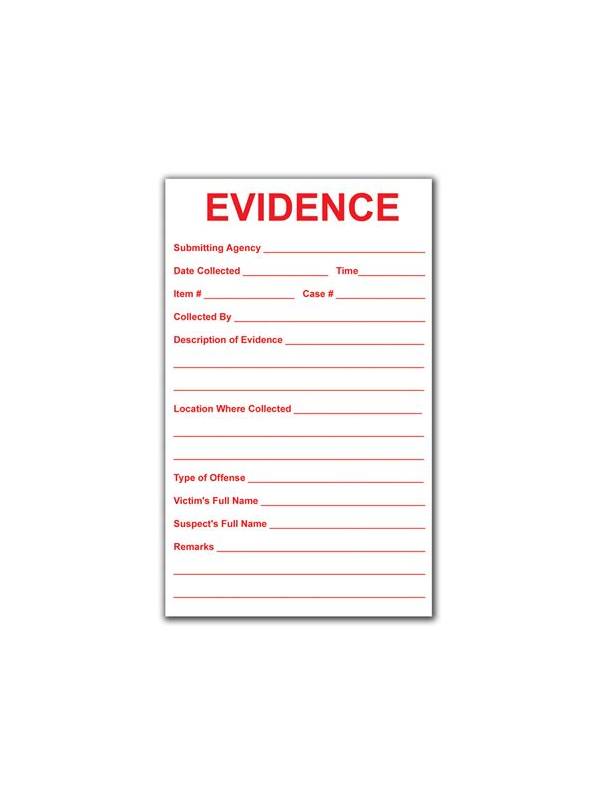
Visible discards can provide useful information, but they can also invite overconfident stories. One player’s release may suggest a suit is unwanted, yet it does not prove that every nearby card is safe. Evidence tags create a disciplined middle ground. They let you record what you observed without pretending to know what remains hidden.
Use three basic tags: confirmed, suggestive, and unknown. Confirmed facts include cards that are visibly discarded, cards you hold, and cards already placed in completed groups according to the table’s information. Suggestive clues include a repeated release from one suit or a player taking a certain type of card. Unknown information includes the remaining locations and intentions of cards that have not appeared.
Apply the tags to a decision, not just to the entire table. If you are considering a heart sequence, mark the cards you have seen as confirmed, the opponent’s relevant releases as suggestive, and all unseen alternatives as unknown. This prevents one clue from being treated as a complete map of the deck. It also reminds you that a useful card may still be held elsewhere.
Update tags only when new evidence arrives. Do not upgrade a suggestive clue to confirmed because several turns feel consistent with it. A player may have changed plans, drawn privately useful cards, or discarded for reasons you cannot see. A cautious interpretation keeps your own plan flexible and reduces the risk of chasing a false read.
Tags are also useful when choosing between a known and an unknown route. A route with confirmed supporting cards and one unknown gap may be more practical than a route based on a suggestive pattern alone. Conversely, a repeated visible discard can make a speculative route less attractive without making it impossible. Use evidence to adjust priority, not to create certainty where none exists.
After the hand, review one prediction. Which suggestive clue did you rely on, and was it actually supported by the outcome? The goal is not to prove that your read was right or wrong. It is to learn whether you tend to overvalue table signals, ignore useful patterns, or update too slowly.
Evidence tags improve observation without turning rummy into mind reading. By separating facts, clues, and gaps, you can make more measured decisions and protect your hand from stories that sound convincing only because they were never tested.
Use the same tags after a hand when checking your assumptions. A clue that seemed powerful may have had little predictive value, while a quiet confirmed fact may have deserved more attention than it received.
Related Post
Rummy Guide: Turn a Loose Hand Into Three Clear Groups
A simple grouping method helps players compare useful combinations before committing to a discard. [...]
Rummy FAQ: Should You Take a Useful Discard Immediately?
Taking a discard is strongest when its immediate benefit outweighs the information it reveals. [...]