Rummy Comparison: Practice Against Bots or Friends?
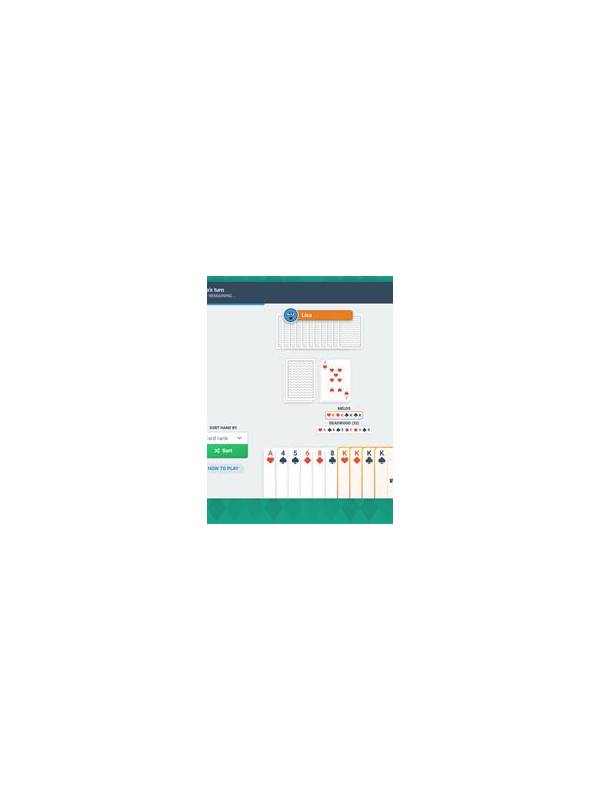
The best practice setting depends on the skill you want to improve. A bot and a friend create different learning conditions, so comparing them by a single question—such as which is harder—misses the point.
Bots are useful for repetition. You can practice sorting, identifying routes, or following a pre-draw checklist without waiting for other people. A consistent opponent also makes it easier to compare decisions across several hands. If the bot difficulty or behavior is predictable, however, do not assume that success transfers directly to a varied table.
Friends provide human variation. They may choose unusual discards, change pace, or make plans that are difficult to infer. This is useful for practicing attention and uncertainty. The trade-off is that a social game may include conversation and interruptions, making it harder to isolate a specific technical lesson.
Feedback differs as well. A bot may show an action but not explain its reasoning. A friend can discuss a decision, though the explanation may be influenced by hindsight. In both settings, record what was visible before the choice and review the process later. Do not treat a winning move as automatically correct.
Use bots for narrow drills and friends for open-ended review. For example, spend fifteen quiet minutes comparing candidate discards against a consistent opponent, then play a short friend session focused on recognizing changing card roles. Keep sessions separate when you want clean notes.
Choose the lower-pressure setting when learning a new format. Confirm that practice mode uses the same core rules as the table you intend to play. If money, deposits, or promotional pressure enters the picture, stop and reconsider the boundary. Practice should develop skill and confidence, not create a reason to spend more. A mixed routine is often strongest because it combines repetition with unpredictability. Set one learning target before either type of session. For a bot, it might be identifying the first unnecessary commitment. For a friend, it might be describing why a discard was chosen without relying on the result. End with a brief note about the target, the evidence, and the next drill. This keeps practice purposeful and prevents a casual match from becoming an unexamined spending opportunity. Keep the target measurable. Instead of “play better,” use “name the replacement cost before discarding” or “record one alternative after the hand.” A small target lets you compare settings fairly and notice improvement even when the final score varies. It also gives a session a natural ending point.
Related Post
Rummy Hand Temperature: Notice Whether Your Plan Is Improving
A practical temperature check shows whether a rummy hand is gaining structure or merely changing [...]
Rummy How-To: Rebuild a Hand After a Missed Draw
A missed draw is a signal to reassess the hand, not a reason to keep [...]