Rummy FAQ: Should You Keep a Single High Card?
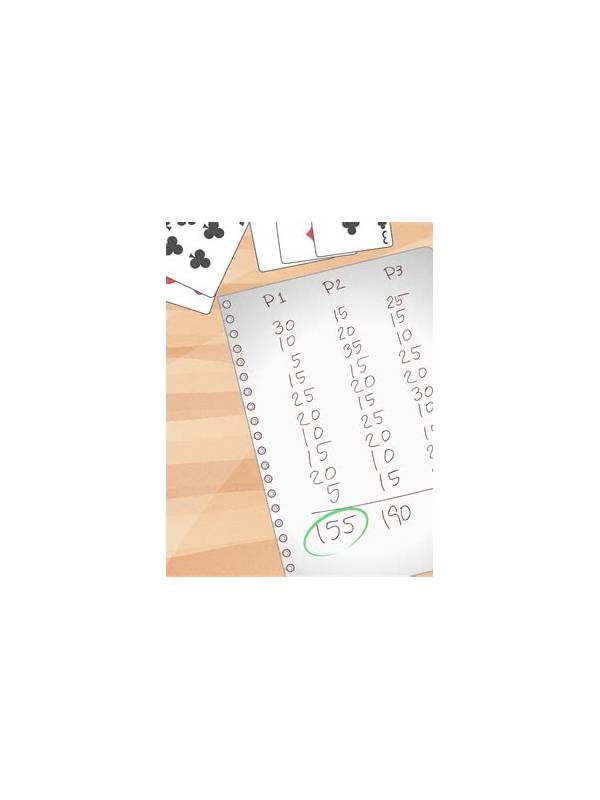
An isolated high card is not automatically bad, but it needs a reason to stay. In many rummy formats, an ungrouped high card can add a larger penalty than a low card. That makes the decision about both potential and risk.
First check for hidden support. Is the card next to another card of the same suit? Does it pair with a rank already in your hand? Is it part of two possible sequence layouts? If the answer is yes, it is not truly isolated. Keep it while you test the connection, especially if one draw could make a strong group.
If no support exists, examine the rest of your hand. Sometimes a high card is the least disruptive discard because every other card is part of a promising group. In that case, keeping it briefly may be harmless while you wait for a better replacement. The decision should be relative: compare its likely benefit with the benefit of retaining the weakest connected card.
Timing matters. Early in a round, you may have room to explore a high card with two plausible routes. Later, the same card becomes more urgent if it still has no job. A useful checkpoint is to ask, “What specific draw would justify keeping this for one more turn?” If you cannot name one, the card is probably occupying space without a plan.
Watch the discard pile, but do not overinterpret it. Seeing one neighbor discarded does not prove another neighbor is unavailable, and an opponent may have discarded a card you need for a different reason. Use the pile as evidence that updates your plan, not as a guarantee.
Finally, follow the table’s scoring and eligibility rules. Different games treat declarations, jokers, and ungrouped cards differently, so general advice cannot replace the displayed rules. When real money is involved, use only an amount you can afford to lose and take a break if the urge to recover a loss is driving the choice. A high card is a small tactical issue; clear limits are the larger safety habit.
One useful beginner rule is to give an isolated high card a deadline. Keep it for a limited number of turns only when you can name a realistic improvement. At the deadline, compare it with the weakest connected card again. This prevents passive holding, while still allowing a reasonable early exploration of a promising route.
If you are unsure, practice with no financial stake and read the help text before playing. The goal is to learn how the particular table scores cards, not to apply a universal formula. A calm, informed decision is better than a rushed attempt to protect one card.
Related Post
Rummy FAQ: How Should You Review a Table Position?
Table position is best reviewed through turn timing, visible actions, and your own remaining options [...]
Rummy FAQ: When Is a Hand Too Complicated to Keep?
A complicated hand needs a reset when its arrangements compete more than they cooperate. [...]