Rummy Comparison: Rank-Based and Suit-Based Sorting
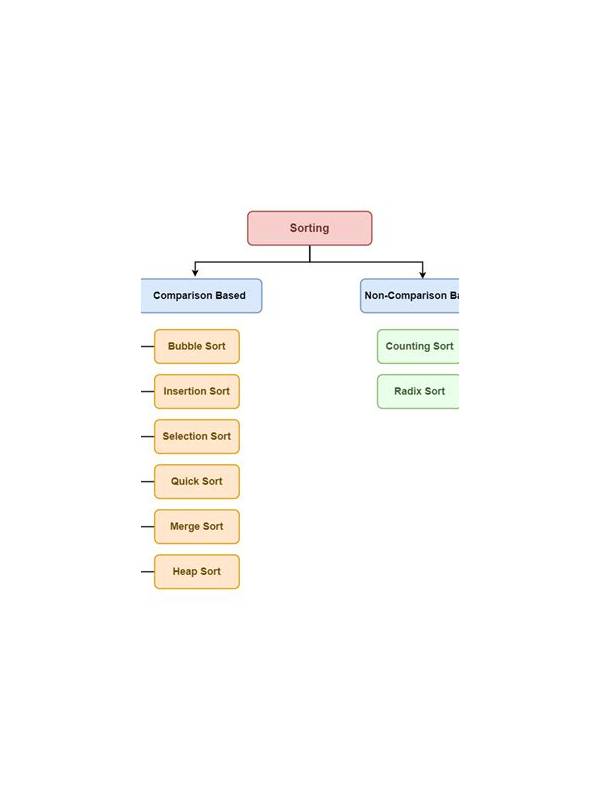
Sorting a rummy hand is not only a matter of neatness. The arrangement you choose changes which relationships are easy to see. Suit-based sorting highlights sequence possibilities, while rank-based sorting makes set candidates more visible. Comparing both views can prevent one attractive pattern from hiding another.
Suit-based sorting places cards of the same suit together in rank order. It is useful when checking consecutive runs, gaps, and connectors. You can quickly see whether two cards are adjacent, whether a middle card links a possible sequence, or whether a high card is isolated. This view is often comfortable for an initial scan when sequences are central to the variant.
Rank-based sorting groups equal ranks across suits. It exposes pairs, triples, and possible sets. It can also show duplication clearly and make it easier to compare which rank has the broadest support. The drawback is that cards belonging to a promising suit sequence may appear separated, so a rank-only view can hide useful connections.
Neither view is automatically better. Use the suit view when your immediate question is “Which cards can form a sequence?” Use the rank view when the question is “Which cards can form a set?” If the hand is unclear, perform two short scans rather than constantly rearranging while making the discard decision.
Digital tables may offer automatic arrangement. That can save time, but verify what the interface is optimizing. An automatic sort may group by suit without distinguishing a completed group from a speculative pair. Manual labels or a second view can restore the context the layout does not show.
For small phone screens, reduce movement. Choose one view, scan the hand, then switch only when the first question is answered. Excessive rearranging can cause a card to be mentally counted twice or make you forget the group it was supporting. A stable routine is more valuable than a perfect visual layout.
In practice, deal random hands and write the best candidate groups from each sorting method. Compare what each view revealed and what it obscured. Over time, you will learn to change layouts with a purpose. The goal is not to sort for appearance; it is to make the next legal and strategic choice easier to inspect.
If the interface changes the order automatically, take a moment to confirm that no card has been hidden, duplicated, or mentally assigned twice.
Switch views with a question in mind.
Related Post
Rummy FAQ: Why Can a Pair Be More Expensive Than a Singleton?
A pair may carry hidden opportunity cost when it blocks a stronger route or consumes [...]
Printed Joker or Wild Joker in Rummy: A Practical Comparison
Comparing printed and wild jokers clarifies how to preserve flexibility while building a legal hand. [...]