Rummy How-To: Mark Cards That Have Lost Their Job
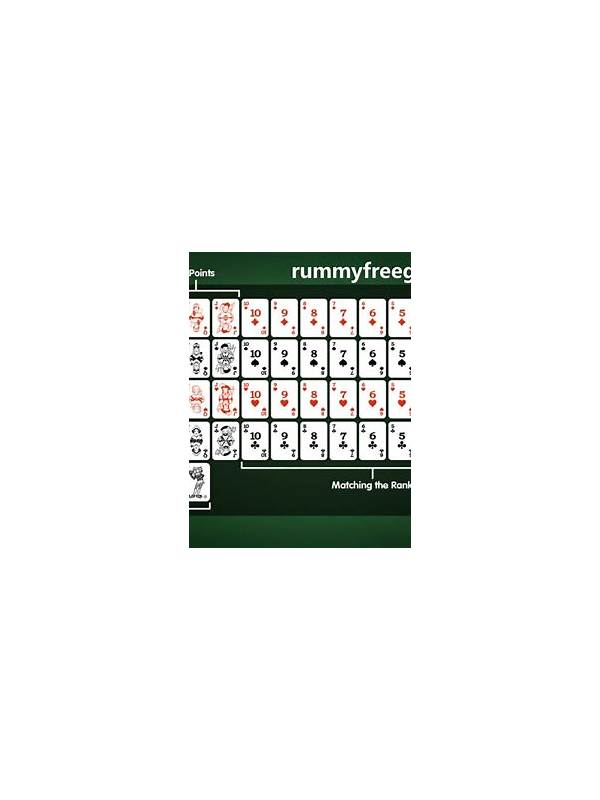
Cards often stay in a rummy hand after the idea that justified them has disappeared. A role review makes this hidden clutter visible. It is especially useful after a missed draw, a new group, or a change in the table information.
Start by assigning each card one current job. It may be part of a completed group, part of a developing sequence, a set candidate, a flexible connector, or a temporary placeholder. Avoid assigning a positive label to a card that has no specific relationship. “Maybe useful” is a signal to investigate, not a job.
Now test each job against the present hand. Does the card still share a realistic route with another card? Is the needed improvement broad enough to justify waiting? Has another card taken over the same role? If a new draw made a group complete, a card left outside that group may have lost the reason you were holding it.
Use a simple status system: active, conditional, or released. Active cards support a clear group or requirement. Conditional cards remain useful only if a particular type of draw arrives before a deadline. Released cards have no good reason to stay. This system avoids the common mistake of treating conditional cards as active forever.
When several cards lose their jobs at once, do not discard automatically in rank order. Compare penalty, replacement value, and the harm caused by exposing information through the open pile. A high unconnected card may be costly, but a low card that blocks a nearly complete group can also be the wrong choice. The role review identifies candidates; the discard test chooses among them.
Repeat the review after important turns, not after every tiny rearrangement. Too much sorting can distract from the actual decision. In practice, pause when the hand changes structure: a group completes, a planned draw fails, or a visible discard changes your estimate.
After the session, note which cards stayed too long and why. Was the original role too vague? Did you fail to set a deadline? Did you confuse a card’s past usefulness with its current value? These observations are more actionable than simply recording that the final hand was unlucky. A role review keeps the hand responsive as information changes.
The habit is easiest to build in low-pressure practice, where you can pause and explain each role before selecting a discard.
Use plain labels so the review remains quick.
Related Post
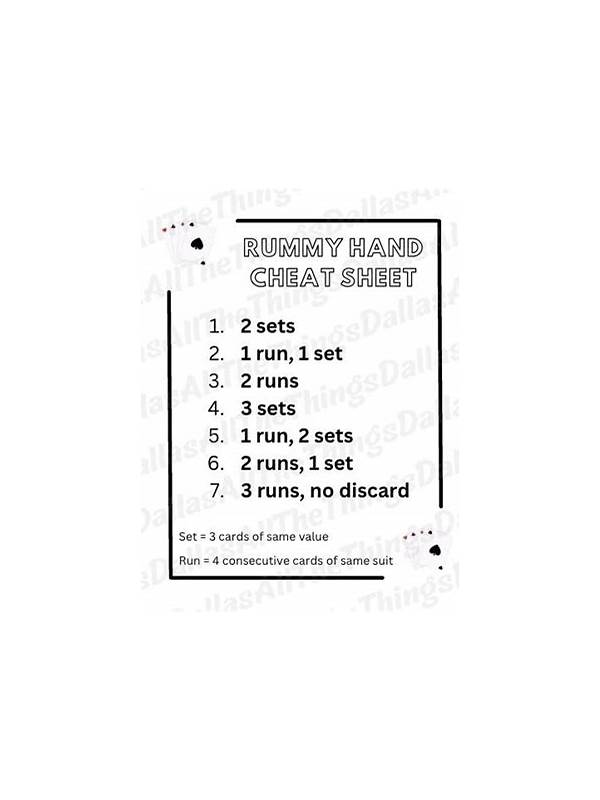
How to Review a Rummy Hand in Under Thirty Seconds
A compact scan sequence helps players inspect structure quickly while avoiding rushed declarations. [...]
Rummy Guide: Use a Counterfactual Discard Test
Compare a discard with its alternatives by imagining the next turn instead of defending the [...]