Rummy Comparison: A Simple Sort or a Strategic Sort
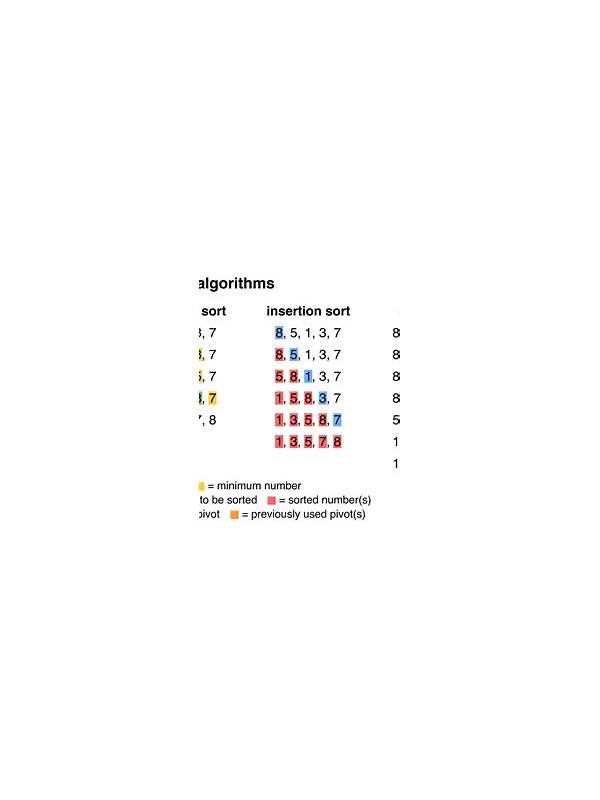
Sorting cards by suit and rank is one of the first habits new rummy players learn. A simple sort makes the hand readable: related suits sit together, duplicate ranks are easy to spot, and the number of loose cards becomes visible. A strategic sort goes one step further. It groups cards by the plans they could support, even when those cards do not look alike at first.
Use the simple sort when the hand is unfamiliar or the rules are still being checked. It gives you a neutral inventory before you make assumptions. Look for obvious sequences, pairs, and isolated high cards. This arrangement is also useful when reviewing a finished hand because another person can understand your starting structure quickly.
Use the strategic sort after that first inventory. Place a card near the group it most strongly supports, then mark cards that have more than one possible role. A middle rank may sit between two same-suit cards while a duplicate rank remains nearby as a possible set. The exact physical order does not matter online; the mental separation does. You are asking which route is strongest, which route is cheapest to abandon, and which card has no realistic partner.
The danger of a strategic sort is early commitment. If you place a promising pair beside a sequence and immediately treat both as fixed, you may miss a better arrangement. Refresh the sort after each important draw. A card’s role can change because a connector arrives, a needed rank is discarded, or the hand approaches its end. Strategic organization should expose decisions, not make them invisible.
Try a timed exercise. Spend thirty seconds on a simple sort, then another thirty seconds creating a strategic view. State your strongest plan, your backup plan, and the card you would discard if neither improves. After the hand, compare the actual result with the prediction. If strategic sorting repeatedly helps you identify weak links earlier, keep it. If it mainly creates confusion, return to a simple sort and add only one layer of notes. Good organization reduces mental work; it should never become another puzzle. Keep the visual arrangement stable during a decision. Constantly moving cards can create the illusion that a plan improved simply because it looks cleaner. Make one change, state what it means, and evaluate it. In digital play, use labels sparingly so they do not hide table information. The best sorting system is one you can repeat under ordinary time pressure. If you share the method, agree that cards may be moved only after the player explains the intended group. This makes the arrangement a record of thinking rather than decoration. Over several hands, notice whether the same sort helps you find isolated cards earlier. A good system should shorten the time needed to describe the hand, leave room for a backup route, and make the next discard easier to justify without relying on a lucky result.
Related Post

Rummy FAQ: How Much Should a Discard Tell You?
A discard provides a clue about visible information, but its meaning should remain proportional to [...]
Rummy Guide: Track the Cost of Keeping a Card
A simple cost check helps you decide whether a card's possible future value justifies the [...]