Rummy Comparison: Single-Deck and Multi-Deck Decision Making
Single-deck and multi-deck rummy can look similar while rewarding different habits. The number of copies in play changes how confidently you can infer what opponents hold and how valuable a duplicate card may be. Before choosing a table, learn which assumptions belong to its format.
In a single-deck game, visible cards provide sharper information. If several copies of a rank have appeared, fewer remain available, and a missing card may be genuinely difficult to find. This makes careful observation valuable. A pair can also be more meaningful because there are fewer competing copies, although it can still be stranded if the surrounding cards are unavailable.
Multi-deck formats create more redundancy. A card that has already appeared may still be available in another copy, so abandoning a plan solely because one copy was discarded can be premature. At the same time, opponents may build similar-looking combinations, making it harder to read their exact needs. Flexible groups and low-cost exits become more important than perfect prediction.
The draw decision changes as well. In a single deck, taking a visible card can be strong when it is one of the few known routes to completion. In a multi-deck game, the same card may be less urgent because the draw pile offers more duplicates. Consider whether the discard gives immediate structure or only removes one uncertainty.
Scoring and local rules still matter more than general labels. Check the number of cards dealt, joker treatment, declaration requirements, and penalty system. A multi-deck game is not automatically easier, and a single-deck game is not automatically more skillful. Choose the format whose pace and information load match your concentration, then adjust your reading strategy to the cards actually in play. Practice the formats separately for a while instead of switching every few minutes. In a single deck, respect scarcity sooner; in a multi-deck game, avoid treating one appearance as proof that a route is closed. Also check the number of players, since more players create more possible interpretations regardless of deck size. Read the complete rules before entering. The most important comparison is not which format produces more wins. It is whether the format lets you make decisions you can explain. If the deck size makes your inferences unreliable, slow down and use broader routes. If redundancy makes you hold too many speculative cards, set a stricter discard rule. Good format adjustment is visible in cleaner choices, not just short-term results.
Related Post
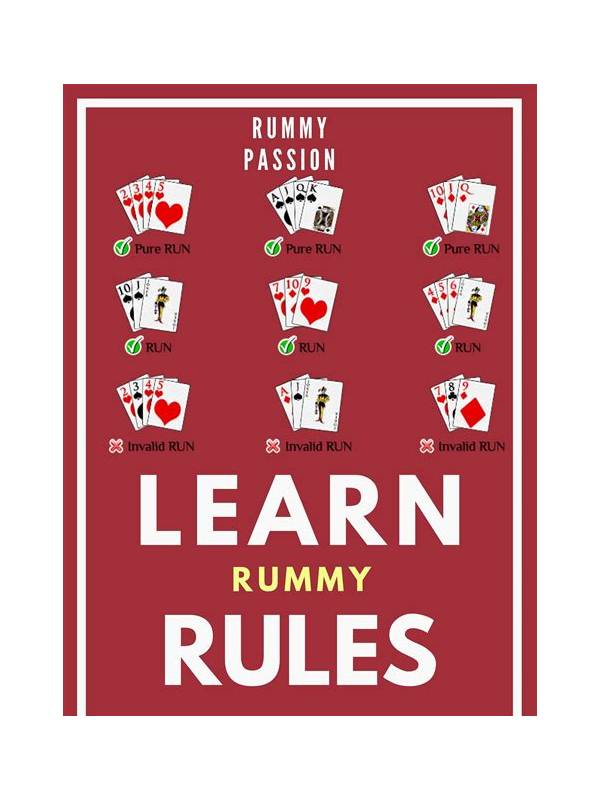
Rummy Rules Snapshot: How to Capture a Variant Quickly
Build a compact rules snapshot before playing an unfamiliar rummy variant. [...]
Rummy Comparison: Fixed Targets Versus Adaptive Targets
Compare fixed and adaptive hand targets to decide which planning style suits the current table. [...]