Rummy Comparison: Drawing From the Stock or Discard Pile
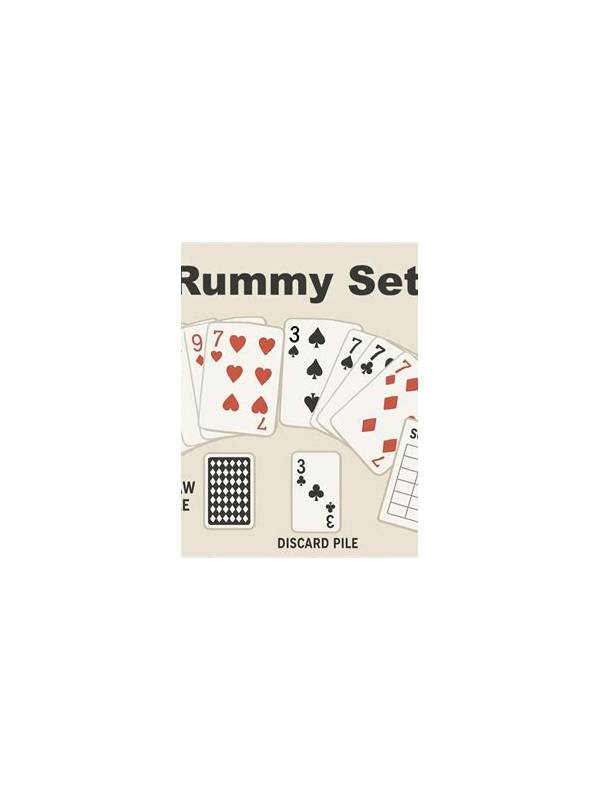
The stock and discard pile offer different kinds of value. Drawing from the stock preserves uncertainty about what you receive, while taking from the discard pile gives you a known card and may immediately improve a visible combination. The better source depends on the card, the rules, and the information you are willing to reveal.
The discard pile is attractive when the top card has a specific job. Before taking it, identify the group it supports and the card you will release. If you cannot name both, visibility may be creating an illusion of value. Taking a visible card can also tell opponents that its rank or suit matters to you. That signal may influence what they discard next.
The stock offers flexibility because it does not announce a preference. It may also produce a card that opens a better route than the one you were considering. Its weakness is uncertainty: you cannot choose the result, and an unhelpful draw still requires a discard. Do not treat the stock as automatically safer or the discard pile as automatically smarter.
Compare the two sources with three questions. What exact improvement does the known card provide? What information does taking it reveal? If the stock misses, what is your least harmful discard? The answer can change as the hand approaches its end. Early on, preserving options may matter most. Later, a known completion may justify accepting more information exposure.
Rules can change the analysis. Some formats restrict which discard is available or define how the pile is handled after a draw. Learn those details before relying on a comparison from another game. The objective is to make a legal, structurally sound turn.
In practice, review your choice by separating outcome from process. A stock draw can be correct even when it produces nothing useful, and a discard draw can be poor even when the visible card looks perfect. Ask whether the source matched the hand’s needs at the time. That habit builds judgment that remains useful when the next card is unknown.
You can practice the comparison away from a live table by taking a sample hand and writing two hypothetical turns: one from the stock and one from the discard pile. For each, show the new hand and outgoing card. Seeing both results on paper makes the hidden tradeoff between information, flexibility, and exposure easier to understand. Repeat the exercise with an early hand and a late hand. The value of certainty often changes as the number of remaining decisions shrinks.
Related Post
Rummy Comparison: Open Information and Private Flexibility
Comparing visible progress with hidden flexibility helps balance completed groups against future options. [...]
Rummy How-To: Review a Hand From the Opponent’s View
Considering what your visible actions communicate can improve discard choices without pretending to know an [...]