Rummy Comparison: Local Improvement Versus Whole-Hand Improvement
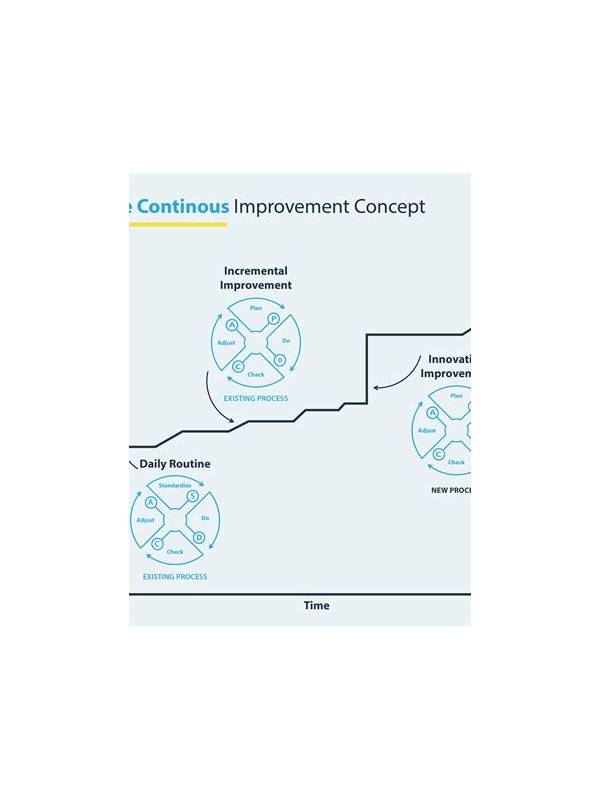
Local improvement makes one part of a hand stronger. Whole-hand improvement makes the overall structure easier to manage. Rummy decisions often become clearer when you compare both kinds of progress.
Completing a pair or extending a sequence is local improvement. It can be valuable when the group removes difficult cards or creates a reliable route. But it may also leave several isolated cards untouched, meaning the hand remains fragile.
Whole-hand improvement might involve discarding one awkward card, preserving two compatible connections, or reducing the number of competing plans. The hand may look less complete afterward, yet it can offer more useful draws and safer future discards.
Compare the next two turns rather than only the immediate result. A local move may produce a meld now but require a narrow follow-up. A whole-hand move may create several acceptable draws. Neither is automatically best; the choice depends on the round’s timing and scoring pressure.
Near the end, local completion often gains importance because there may be no time to develop broad flexibility. Early in the hand, whole-hand improvement can prevent you from becoming attached to a narrow route. Reassess as the number of remaining decisions shrinks.
Use a simple test: after the move, can you name at least two useful next cards or actions? If yes, the move may have improved the whole hand. If it creates a completed group but leaves only one desperate route, check whether the local gain is worth the concentration.
The distinction is also useful when reviewing a loss. A local improvement may have been correct even if the rest of the hand later failed. Conversely, a completed meld may have hidden the fact that your remaining cards became harder to organize. Note which kind of improvement you pursued and what the next turn offered. Over time, you can learn whether you tend to chase visible progress or preserve flexibility so long that you miss timely completions. Balance is a timing skill, not a permanent preference. Neither type of progress deserves automatic priority. Compare the hand you will have after the move, not only the card group you will have completed. That wider view often reveals the safer choice.
Use it whenever a quick meld feels unusually tempting.
Related Post

Rummy Tips: Use a Decision Budget for Every Turn
A short repeatable checklist reduces rushed moves without making ordinary turns feel slow. [...]
Rummy FAQ: When Is a Flexible Card Actually Narrow?
A card is only practically flexible when its possible jobs are legal, plausible, and compatible [...]