Rummy Guide: Use a Three-Question Route Audit
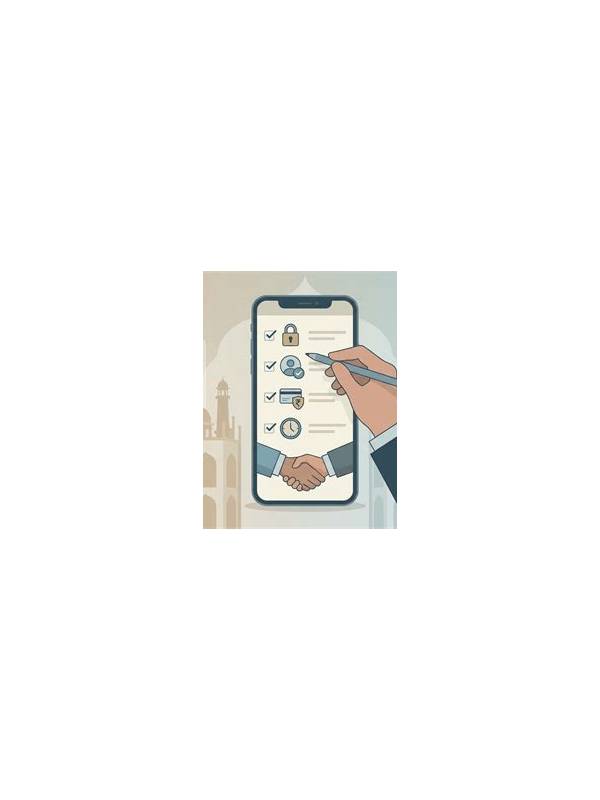
In a busy rummy hand, a possible sequence can feel valuable simply because it is visible. That first impression is not always reliable. Before protecting a route, run a three-question audit: what does it need, how many ways can it improve, and what does it cost to keep? The exercise takes only a few seconds and prevents attractive but fragile ideas from taking over the hand.
Start with the requirement question. Write or say the exact missing cards, rather than using a vague label such as “I need a middle card.” If a route contains six and eight of the same suit, its immediate needs may be five or seven. If another card can join a set, record that alternative too. Exact requirements make comparison possible and stop a player from treating every card in a related suit as equally useful.
Next ask how many improvement paths remain. A route with two useful draws is narrower than one with six. Count practical outs, not every theoretical card. A card that would force an awkward rearrangement or leave expensive leftovers may not be a genuine improvement. Also notice whether the route depends on one rank arriving before the hand becomes urgent. More paths usually mean more resilience, especially early in a round.
The final question is holding cost. While you wait, what points are tied up? Does keeping the route prevent you from forming a natural sequence elsewhere? Would discarding one part leave a clean fallback, or would it break several groups at once? A route can be statistically broad yet still be a poor choice when its cards block a safer arrangement.
Put the answers together with plain language: “needs two cards, has four practical outs, and costs one flexible connector.” Compare that description with a second route. You do not need a precise score. The aim is to expose the trade-off between possibility and burden.
Repeat the audit after a meaningful draw, a useful discard, or a change in the visible table. A route that was broad on turn two may become narrow later. Conversely, a formerly weak group may become sensible when one requirement is removed. Treat the audit as a reset button, not a permanent verdict. The best route is the one that remains understandable and recoverable as information changes. Additional review note: revisit the route after each meaningful change, and compare practical outs with holding cost rather than relying on first impressions.
Related Post
Rummy Practice: Make a Blind Discard Before Seeing the Answer
A delayed-answer drill trains you to explain a discard choice from the information available at [...]
Rummy Table Seating and Turn Position: A Simple Observation Guide
Turn position changes the information a player receives, so observation should be adjusted without overinterpreting [...]