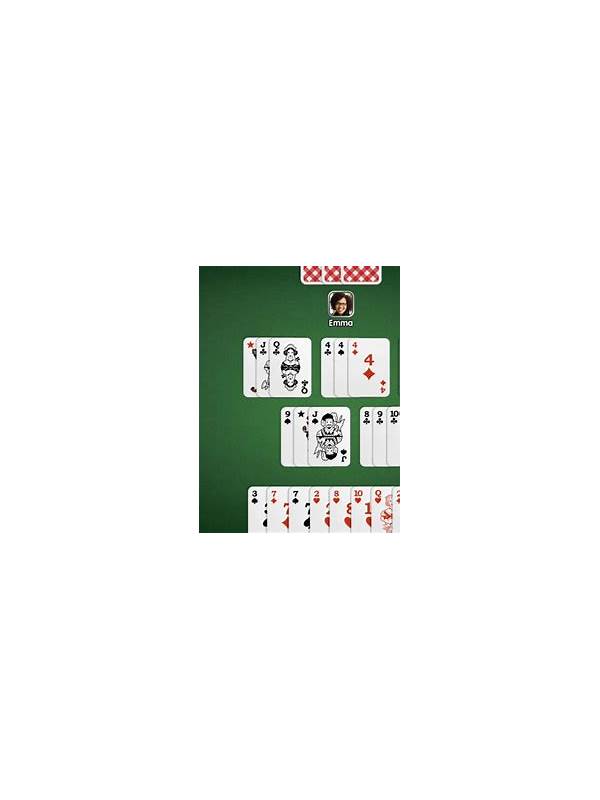
Rummy Endgame Signals: Know When to Simplify Your Hand

The endgame begins when several players appear close to a declaration or when the discard pile starts changing quickly. At that point, a complicated hand can become a liability. The aim is not to force a finish immediately, but to identify which parts of your plan still deserve protection and which should be simplified.
Begin by separating completed groups, promising combinations, and true deadwood. Completed groups are usually stable, while combinations need evidence before they receive another turn. Deadwood deserves the closest attention, especially if it has a high value under the format’s scoring rules. A card that was acceptable early may be too expensive to carry now.
Next, count the realistic improvements for each unfinished combination. Do not count every card that could theoretically help. Consider the cards already visible, the suit or rank requirements, and whether another player’s recent discard gives useful information. If a combination has only one narrow route and another part of the hand has two routes, the flexible part may deserve priority.
Set a firm review point. After one more draw, or after the next full round, ask whether the hand improved. If it did not, release the weakest idea. This prevents the common endgame error of keeping a favorite plan simply because it was attractive several turns ago. A plan should earn continued protection by producing progress.
Keep your discard decision easy to explain. You might be reducing the most expensive isolated card, preserving a connector with several live routes, or removing a pair that no longer fits the hand. Clear reasoning matters because rushed decisions often preserve cards for emotional reasons rather than practical ones.
Endgame choices remain uncertain, so no checklist guarantees a win. The value of the method is consistency. By simplifying deliberately, reviewing evidence, and accepting that some plans must be abandoned, you reduce avoidable risk when the hand becomes urgent. Practice the checklist in low-pressure games until it becomes a quick mental routine. It can help to say the review aloud during practice: “What is finished, what is flexible, and what is expensive?” The wording is less important than using the same sequence each time. A consistent review also makes it easier to notice whether urgency is causing you to abandon good groups or protect weak ones. Keep the process compatible with the rules of the table and never use outside information that other players cannot access. That discipline is especially useful when several players are waiting on different kinds of cards.
Related Post
Rummy Comparison: Manual Sorting or Automatic Card Arrangement
Comparing manual and automatic card sorting can help players choose the arrangement that best supports [...]
Rummy Strategy: Use a Constraint Before a Preference
Checking the hand’s strongest constraint before following a favorite pattern leads to more practical rummy [...]