Rummy FAQ: Why Is a Backup Route Useful Even When the Hand Looks Good?

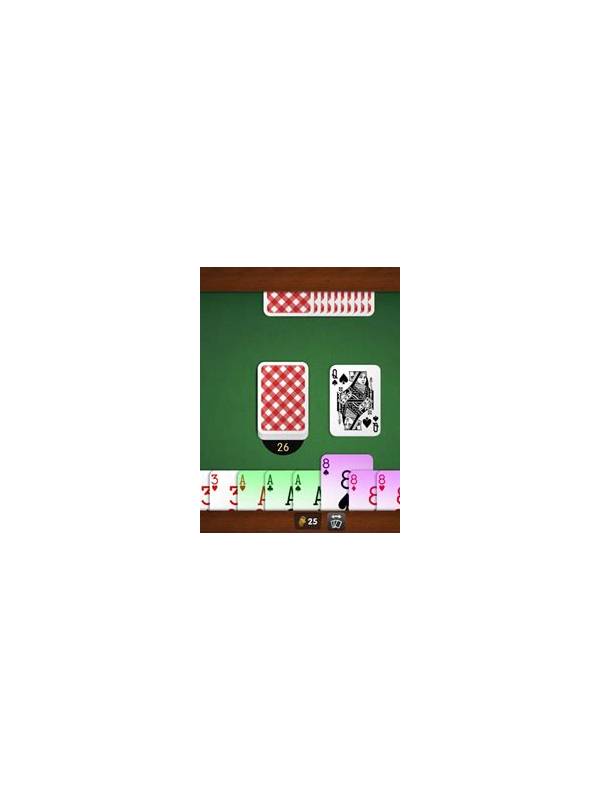
A good-looking hand can still fail if every unfinished group depends on the same card or if the arrangement has been misread. A backup route is a second workable way to organize part of the hand. It does not need to be equally attractive. Its purpose is to give you somewhere sensible to go when the primary route loses value.
Build the backup from cards that are already present, not from an imagined perfect draw. It might use a different sequence, a set instead of a run, or a lower-penalty arrangement. Mark which cards are shared. If the primary and backup both require the same bridge, they are not truly independent options.
Choose a trigger for switching. Examples include missing the required card after a set number of turns, drawing a card that makes the backup much stronger, or reaching a late stage where narrow waiting is too costly. Without a trigger, players often keep both plans alive indefinitely and end with an overcrowded hand.
A backup can also improve the primary plan by clarifying which cards are expendable. If you know the fallback group, you can release a card from the primary route when its expected benefit falls. This makes discards more deliberate and reduces the fear of abandoning a promising idea.
Review the quality of the backup after each round. Was it realistic, or did it depend on several unlikely cards? Did you switch too late? Did the backup lower penalty while preserving a valid declaration? Strong backup planning is not pessimism. It is a way to keep one uncertain draw from controlling every decision. Keep the backup route visible but do not devote equal attention to it every turn. The primary route should receive the next useful draw test; the backup mainly tells you what can be released safely. If the backup begins to require several new cards, downgrade it and create a simpler fallback. A good route is judged by practical cards, remaining time, and the ability to finish checking the declaration. It should reduce panic, not add another complicated project. For reliable practice, make the check before looking at the next card. State your choice in one sentence and note the alternative you rejected. This creates a small record of reasoning rather than a result-only judgment. The habit is valuable in both favorable and unfavorable rounds because it shows whether the process stayed consistent when the hand changed.
Related Post
Rummy Safety: Check the Recipient Before Sharing a Screenshot
Protect your privacy by verifying who will receive a rummy screenshot and what it reveals. [...]
Rummy Tips: Use Short Timeouts to Protect Decision Quality
A brief, planned pause can prevent rushed rummy choices while keeping a session within its [...]