Rummy FAQ: Can Two Jokers Replace the Same Card?
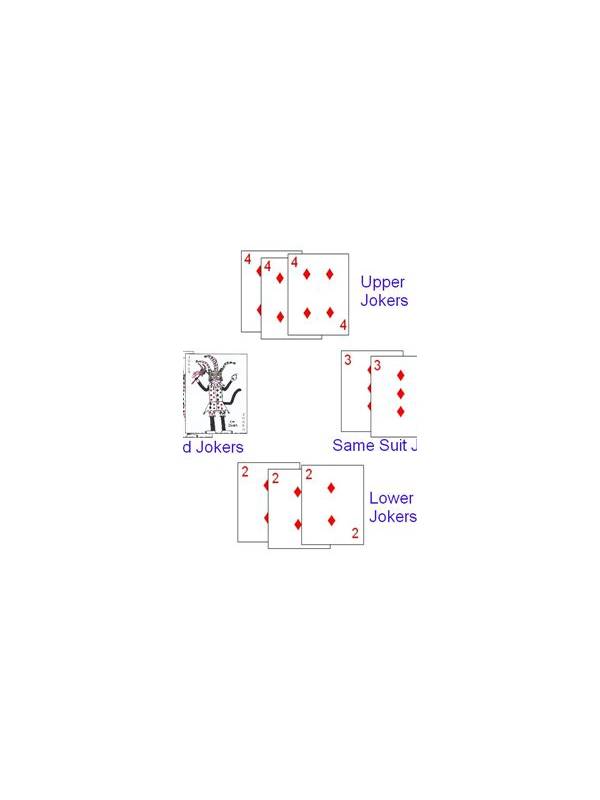
Players sometimes ask whether two jokers can both stand in for one missing card. The safe answer is that there is no universal rule across every rummy variant or platform. Joker behavior must be checked in the table’s help page or written rules before you build a declaration around it.
In many Indian rummy formats, a joker substitutes for a missing card in a valid sequence or set. The important phrase is “in a valid group.” A meld still has to satisfy its length, rank, suit, and duplication requirements. A pair of jokers may help complete a group in some rule sets, but that does not automatically mean they can be treated as two copies of an identical card. Some platforms limit how many wild cards a set may contain, and some distinguish printed jokers from wild jokers.
Consider the difference between a sequence and a set. In a same-suit sequence, each joker may represent a different rank so that the order remains coherent. In a set, the represented cards normally need the same rank with different suits, subject to the variant’s restrictions. Two wild cards therefore require careful interpretation: they may fill two different gaps, or the rules may reject the arrangement because the natural cards are not sufficiently specified.
Before declaring, inspect every group separately. Ask what each joker represents, whether the representation is unambiguous, and whether your required pure sequence contains no prohibited wild card. Then check that the remaining groups meet the minimum count and any sequence requirement. Do not rely on the visual appearance of a neat row.
If the rules are unclear, do not guess from a previous game. Open the help panel, use a practice mode, or ask support through the platform’s official channel. Avoid sending account credentials or payment details to anyone who offers informal assistance in chat. A rules question should need only the variant and the proposed meld.
The practical lesson is simple: treat jokers as flexible tools, not automatic permission. Keep a backup arrangement when possible, and postpone a declaration until each substitution has been checked against the current rules. That habit prevents a promising hand from failing because two wild cards were assumed to behave identically. The practical lesson is simple: treat jokers as flexible tools, not automatic permission. Keep a backup arrangement when possible, and postpone a declaration until each substitution has been checked against the current rules. That habit prevents a promising hand from failing because two wild cards were assumed to behave identically.
If a rules page uses unfamiliar terminology, note the definition before playing. Words such as “printed joker,” “wild joker,” “pure,” and “impure” may affect both construction and scoring. A public rules explanation can help you remember the wording, but it should not replace the current table’s instructions, which control the actual result. Clear terminology is part of a valid strategy.
Related Post
Rummy Sequence Building with Two Flexible Connectors
Learning how to compare two-card connectors can make sequence building more flexible in a thirteen-card [...]
How to Compare Rummy Cards by Future Use
Looking at a card’s possible future roles can improve discard choices beyond simple point counting. [...]