Rummy Safety: Pause Before Sharing a Verification Code
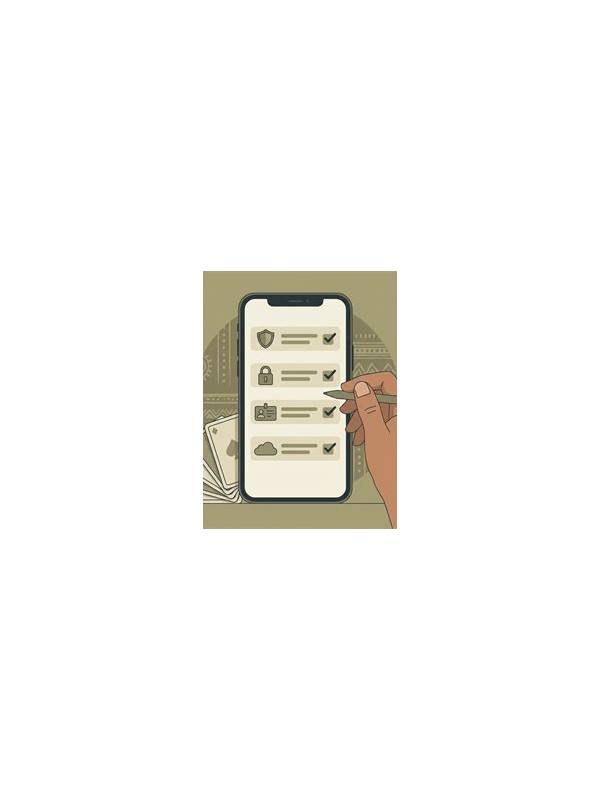
Verification codes are designed to prove that the person completing an action controls a phone number, email account, or device. They are not ordinary support details. If someone asks you to read a code aloud or send it in chat, pause before responding, even when the request appears to come from a game service.
Understand the basic rule
A genuine support representative should not need the one-time code delivered to your private device. The code may be used to sign in, change a password, confirm a withdrawal destination, or register a new device. Sharing it can allow someone else to complete an action that began with your account details.
Read the message on the screen carefully. It may say what the code is for, such as “new sign-in” or “password reset.” If the message does not match an action you started, treat the code as a warning rather than as a request to complete.
Recognize urgency tactics
Suspicious requests often include a short deadline, a claim that your account will be locked, or an offer to fix a bonus or withdrawal immediately. Urgency narrows attention. A safe response is to stop the conversation, close the message, and open the service through the app or a trusted address you already know. Do not use a link supplied by the requester to investigate the request.
Never share a code, password, recovery phrase, or full payment credential in a game chat. Do not paste screenshots that expose the code either. Cropping a screenshot can still leave other private account information visible, so a written explanation is usually safer.
If you already shared one
Act through the official account controls as soon as possible. Change the password from a trusted route, sign out other sessions if that option exists, and review recent device, profile, and payment changes. Contact support using the service’s independently verified help channel. Describe the time and type of request without repeating the code in your message.
If the code related to your email or mobile account rather than the game account, secure that primary account first. A compromised email address can be used to reset several other services. Watch for follow-up messages that pretend to be support and ask for another code.
Build a simple pause habit
Before responding to any code request, ask three questions: Did I start this action? Does the message explain the same action? Am I using a trusted support route? If any answer is no, do not share the code. A legitimate problem can be investigated after the pressure has passed.
Security is not about distrusting every notification. It is about keeping control of the private step that the code is meant to protect.
Related Post
Rummy FAQ: How Should a Beginner Read a Game Timer?
Understand what a countdown changes in your decision process and when to pause or leave. [...]
How to Create a Rummy Fallback Plan Before the Hand Gets Crowded
A fallback plan gives loose cards a destination when the main route stops improving. [...]