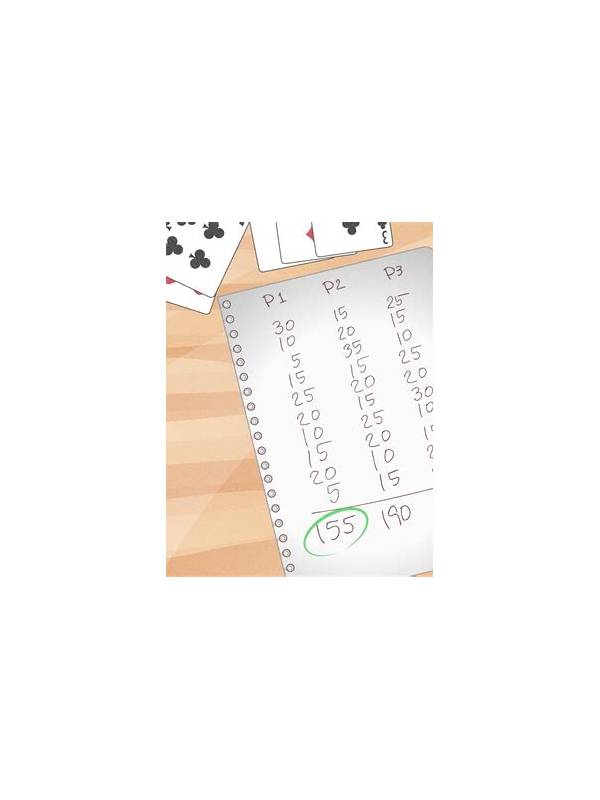
Rummy FAQ: Why Can a Hand With Good Groups Still Be Invalid?
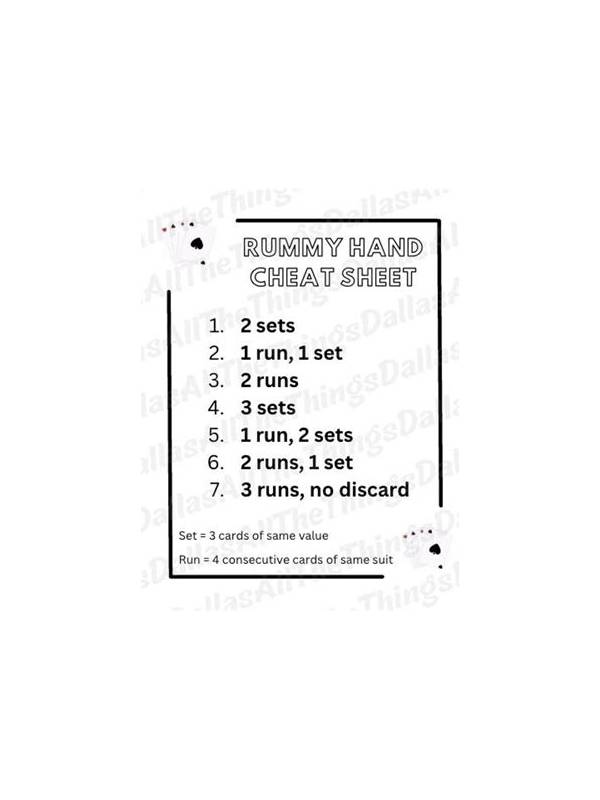
A rummy hand can look nearly complete and still be invalid at declaration. The common reason is that players count attractive groups without checking the full rule structure. In many Indian rummy formats, a valid hand requires at least one pure sequence, with the remaining cards arranged into legal sequences or sets. Exact requirements vary, so the table’s rules always take priority.
Consider a hand containing two convincing sets and an impure sequence made with a joker. Those groups may account for every card, but they may not satisfy the requirement for a natural sequence. A pure sequence normally contains consecutive cards of one suit without a substitute. It is therefore useful to identify that group first, before spending jokers on other combinations.
Another source of error is overlap. A card may appear to support both a run and a set in your notes, but it can occupy only one group in the final arrangement. Write each card’s assignment explicitly and check that no card has been counted twice. A tidy visual layout can hide this mistake when groups are close together on a small screen.
Jokers create additional confusion. A joker can often complete an impure sequence or set, but it cannot automatically make every arrangement legal. Some variants apply special restrictions to printed and wild jokers, while others define how many cards a group must contain. Read the wording for the exact game and do not transfer assumptions from another table.
Before declaring, use a fixed audit. Circle the pure sequence, if one is required. Then label every remaining card as part of a set, a natural sequence, or a permitted joker-assisted group. Count the cards once. Finally, check that the declared format, minimum group sizes, and scoring conditions match the table. If any part is uncertain, use the help screen before submitting.
This audit takes only a few seconds after practice and protects against an avoidable invalid declaration. The lesson is broader than rummy: a hand can have locally strong combinations while lacking a globally legal arrangement. Check the complete structure, not just the groups that look best in isolation. If the platform displays a declaration preview, use it as a confirmation aid rather than an invitation to guess. Read any warning carefully and correct the hand before submitting. A preview may identify an incomplete group, but it may not explain every variant-specific rule. When the interface and written rules appear to disagree, stop and seek an official explanation before continuing.
Related Post
Rummy FAQ: When Should You Break a Small Pair?
Breaking a small pair can be correct when the pair has little future value and [...]
Rummy Comparison: Open Information and Private Information
Compare the two information sources in rummy and use each one with appropriate caution. [...]