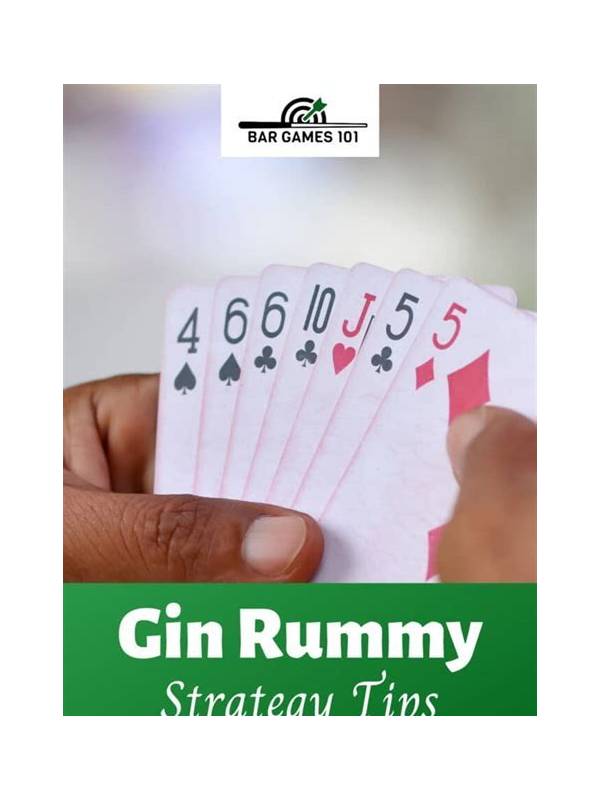
Rummy Strategy: Pivot After Drawing a Duplicate
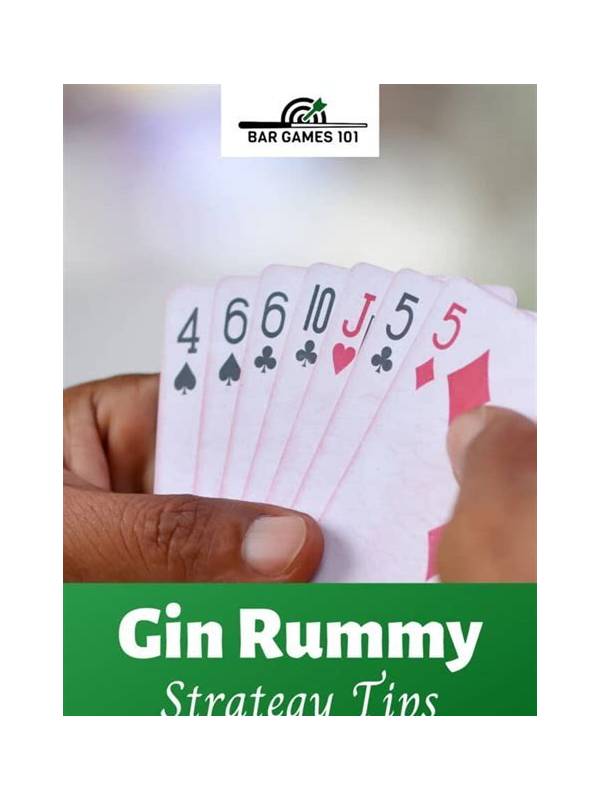
Drawing a duplicate rank in rummy can feel like progress because matching cards suggest a set. Sometimes it is progress; sometimes it simply adds another card that competes for space. The useful response is to pause and decide which copy has a role. A duplicate should improve your hand’s structure, lower its risk, or create a clear fallback. If it does none of these, it may be the right discard.
First compare the duplicate with the rest of your hand. Is one copy already part of a natural sequence? If so, protect that legal structure before moving cards around. Can the other copy join a set with cards in different suits? If yes, count how many joining cards remain plausible. A pair that needs several specific suits may be less valuable than a connector that supports two different runs.
Next check whether the duplicate changes your hand’s balance. You may have started with too many isolated high cards and now have a chance to discard one of them. Alternatively, the new card may create a second narrow plan while leaving your original plan untouched. In that case, assign one plan a deadline. Without a deadline, duplicates can encourage you to carry several incomplete ideas for too long.
There is also an information question. If a duplicate is visible in the open pile, another player may be collecting the same rank. That does not make the card useless, but it can reduce the value of waiting for a particular completion. Use the information as a modest adjustment, not as certainty about another hand. Your own legal groups and point exposure remain the central evidence.
When pivoting, move one card at a time. Keep the strongest existing group intact, test the duplicate as a possible set member, and identify the first card you would release if no support arrives. This keeps the reset reversible. Avoid breaking multiple groups in one turn merely to make the hand look symmetrical.
After the round, note whether the duplicate improved your finish or delayed a necessary discard. Over several hands, you will learn whether you tend to overvalue matching ranks or abandon them too quickly. The goal is flexible judgment: welcome a duplicate when it creates a practical route, and release it when it only adds another unresolved promise. A new pair can make an earlier high card more expendable, but it can also make a useful connector harder to replace. Recalculate the hand rather than following yesterday’s discard plan.
Related Post

Rummy Guide: Use a Three-Question Turn Check
Three repeatable questions can keep a rummy turn focused on legality, improvement, and risk. [...]
Rummy Safety: How to Set a Session Loss Limit
A simple pre-game routine can keep entertainment spending separate from everyday money. [...]