Rummy FAQ: How Can a Quiet Turn Still Help?
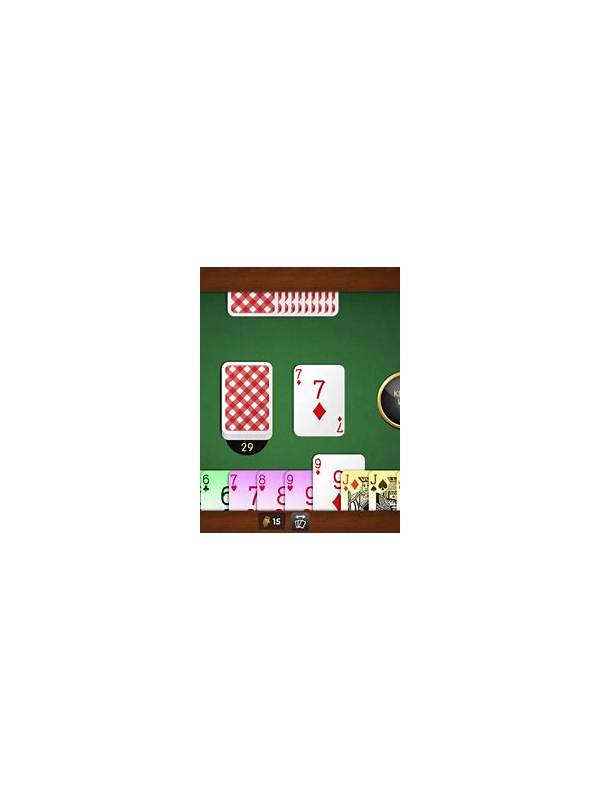
A neutral draw is a card that does not complete or significantly strengthen a current group, but still affects how you should think about the hand. It may reveal that a route is becoming less likely, preserve several options, or replace a card with a similar strategic role. Calling a draw neutral does not mean it was useless.
For example, suppose you hold two connected cards in one suit and a separate pair in another. Drawing a low singleton may not fit either group. It is neutral in terms of immediate meld progress. However, it may be easier to discard than a high-point card, and it gives you a chance to reorganize the hand without breaking a promising route.
Neutral draws matter because rummy is not only a sequence of successful hits. Some turns are spent learning what the available cards are doing to your plan. If a card you expected does not arrive, that is evidence. It can lower the priority of one route and make a safer alternative more attractive.
When you draw a neutral card, make three checks. First, does it create a new connection that was not visible before? Second, does it protect an existing group by giving you a replacement discard? Third, does it increase the number of cards competing for the same slot in your hand? The first two can make the card valuable. The third may mean it adds clutter.
Avoid using “neutral” as an excuse to keep everything. Every card still occupies hand space and may carry points under your scoring rules. If a neutral card has no credible future role and a clear discard candidate is available, release it. If it helps you compare routes or lowers risk, keeping it for a short period can be reasonable.
A good review records neutral draws separately from outright mistakes. The draw itself was random; the decision after it was yours. Ask whether you updated your plan, maintained a valid required group, and discarded a card with a defensible reason. That habit turns an apparently blank turn into useful information for the next choice.
The label is most helpful when shared with a clear action. After a neutral draw, decide whether you will keep it for one review point, use it as a temporary replacement, or release it immediately. A neutral card without a time limit can quietly become an anchor, especially when the hand later becomes more difficult to sort.
Related Post
Rummy Practice: Compare Two Discard Candidates
Comparing two possible discards trains you to weigh structure, points, and opponent information together. [...]
Rummy Comparison: Local Improvement Versus Whole-Hand Improvement
Completing one small group is not always better than making the entire hand easier to [...]