Rummy FAQ: How Can You Handle Two Equally Good Draws?
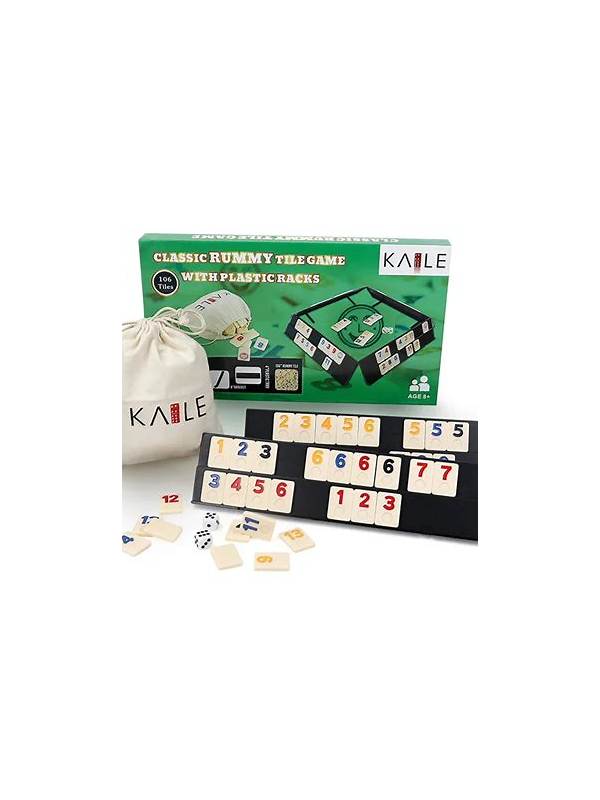
Sometimes the draw pile and discard pile each offer a plausible improvement. One card may complete a pair, while the other may extend a sequence. The question is not always which card is stronger in isolation. It is how each choice changes the rest of the hand and the quality of your next decision.
Begin by placing each candidate into the hand mentally. Remove the card you would probably discard afterward, then look at the remaining unfinished work. Count how many requirements are still open. A draw that creates a neat-looking combination but leaves several disconnected cards may be less useful than a draw that creates modest progress while reducing clutter.
Next run a fallback test. Ask, “If the exact next card does not arrive, what can I do?” A plan with several acceptable follow-up cards is usually more resilient than one that depends on a single perfect draw. The fallback may be a different sequence, a group using a card you already hold, or a clean release that keeps the penalty controlled.
Information also matters. Taking an exposed discard may tell opponents what kind of route you are building. That is not automatically bad, but the information cost should be considered when the two cards produce similar progress. A concealed draw can preserve uncertainty, while an exposed draw may be worthwhile if it completes a secure combination.
Finally, check whether either choice uses a card with a scarce role. A flexible middle card can be more valuable as an uncommitted connector than as a temporary pair. Conversely, a high card with only one plausible job may be worth converting into a combination promptly. The best tiebreaker is often the choice that leaves more room for a later correction.
Do not spend an entire turn searching for certainty. Use a short sequence: compare remaining work, test the fallback, consider information, and choose. If both options remain genuinely equal, prefer the lower-risk route and make a note of the assumption behind it. Reviewing that assumption later teaches more than pretending the decision was obvious.
For example, a visible card may complete a group while a hidden draw might extend a natural sequence. If the group would leave two high isolated cards, its immediate appearance is misleading. If the hidden draw fails, however, you may still have a clean release and a confirmed sequence. The fallback test makes those differences visible. It also keeps hindsight under control: compare the choices using information available before the draw. Over time, record which tiebreaker helped most—remaining work, fallback quality, or information cost. This builds a personal decision order for future close calls.
Related Post
Rummy Comparison: Open-Ended and Inside Sequence Draws
Comparing open-ended and inside draws helps players judge flexibility instead of counting cards loosely. [...]
Rummy How-To: Recover From a Hand That Starts With Too Many Pairs
A step-by-step approach helps turn a pair-heavy starting hand into a balanced and manageable rummy [...]