Rummy FAQ: How Should You Review a Table Position?
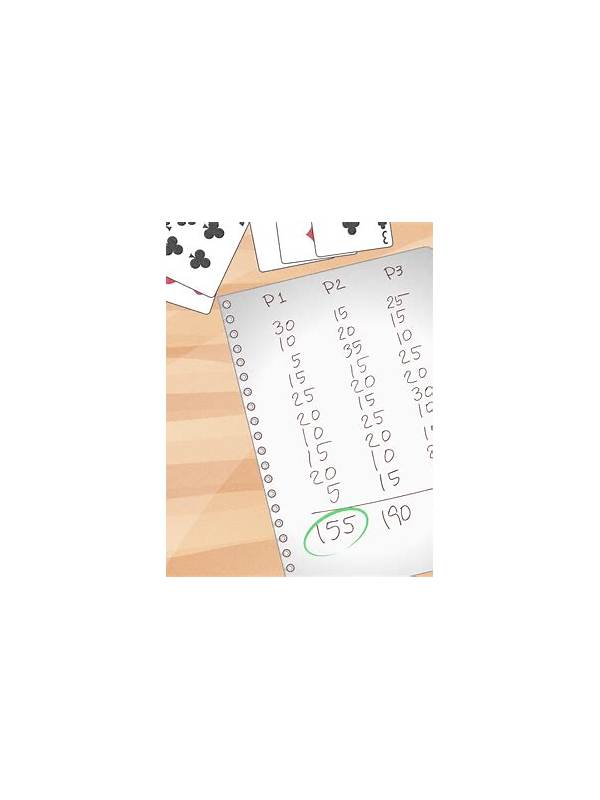
What does table position mean in rummy?
It describes your place in the turn sequence and the practical amount of time before you can act again. It also includes what has happened around the table: visible draws, discards, declarations, and changes in pace. It is context, not a secret advantage.
Why does position matter?
Players who act before you can remove a visible card or change the information available to you. Players who act after you may respond to your discard. Thinking about this rhythm helps you avoid plans that depend on unlimited time or on a card remaining available.
What should I inspect first?
Check how many turns you expect before your next review, then identify the unfinished structure with the narrowest route. Look at recent visible actions as weak evidence only. Finally, ask whether your choice leaves an exit if the next players change the table.
Does position tell me what an opponent holds?
No. It can frame possibilities, but it cannot reveal hidden cards. A player may take a card for many reasons, including a temporary plan or a mistake. Avoid converting one action into certainty.
Should I always play faster when acting before others?
No. Speed can be useful when the choice is routine, but high-cost decisions still deserve a legality and structure check. Use the time available without letting a countdown push you into an unexamined action.
The practical review is short: timing, visible evidence, hand structure, and backup. If these point in different directions, choose the option that keeps your hand manageable and your spending and time boundaries intact. Table position improves awareness; it does not replace sound card evaluation. For a review exercise, draw a simple circle for the table and mark your place, the next player, and the expected return to your turn. Then write one action that could change your plan before that return. This turns an abstract idea into a concrete reminder that other players’ choices matter. Keep the exercise brief and apply it only to the rules and player count of the format being reviewed. The exercise is especially helpful when the table moves quickly. It reminds you to distinguish what you know, what you infer, and what you can still change on your next turn. If the diagram becomes complicated, simplify it to your next action and one possible disruption. Awareness should make decisions clearer, not add another source of pressure.
Related Post
Rummy Guide: Identify the Commitment Point in a Hand
Finding the moment when a plan becomes expensive to abandon makes later decisions clearer and [...]
Rummy How-To: Mark Open and Closed Card Plans
This simple marking method separates reliable combinations from ideas that still depend on a draw. [...]