Rummy FAQ: When Is a Joker Not the Best Card to Keep?
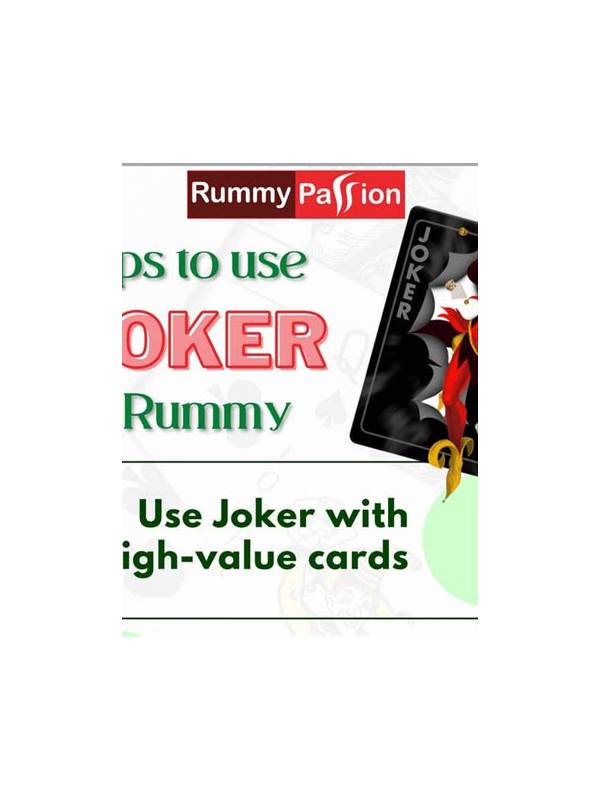
A joker is not automatically the best card to keep in every rummy hand. Its flexibility can help complete a group, but using it without a plan may hide a missing pure sequence or preserve weaker cards for too long. Evaluate the joker by the legal progress it creates, not by its special status alone.
First, check the format requirements. In many versions, a joker cannot substitute for a card in a pure sequence, so holding it does not solve that requirement. If your hand lacks a pure sequence, prioritize cards that can build one while reserving the joker for a different group. Always confirm the exact rules for the table you are using.
Next, identify the joker’s best job. It might complete a set, bridge a sequence, or reduce the point value of an otherwise awkward group. Choose the job that creates the most useful legal structure with the fewest remaining gaps. If the joker can serve two routes, keep both options visible until another card makes one clearly stronger.
Do not let the joker protect expensive unrelated cards indefinitely. Suppose a joker completes one small group while you continue holding two isolated face cards. The hand may look better, but the risk has not actually fallen enough. Review the rest of the cards and ask whether the joker has allowed you to delay a necessary discard.
Near a declaration, perform a final audit. Confirm which card the joker represents and whether every other group remains valid under the rules. A flexible card can make an arrangement appear complete while concealing that two real cards are being assigned to the same job. Clear labeling prevents that mistake.
The joker is a tool, not a guarantee. Its value rises when it completes a required structure or gives a clean recovery route. Its value falls when it encourages vague holds and postpones point-risk decisions. Keep it when its role is specific, and reassess it whenever the rest of the hand changes.
When practicing, make two arrangements with the joker: one that completes the most immediate group and one that preserves the most flexibility. Compare the unfinished requirements and the point exposure in both. This exercise shows why the same joker can be excellent in one hand and merely convenient in another. It also reinforces the rule that a flexible substitute must still be assigned to a legal, clearly defined group. If the rules are unclear, pause before relying on the joker and read the format instructions.
Related Post
Rummy Guide: Count Flexible Cards Before Choosing a Meld
Counting how many cards can serve more than one purpose helps compare melds without relying [...]
Rummy Table Rotation: Adapt Without Chasing Every Opponent
A practical guide to adjusting your plan when the players around a rummy table change. [...]