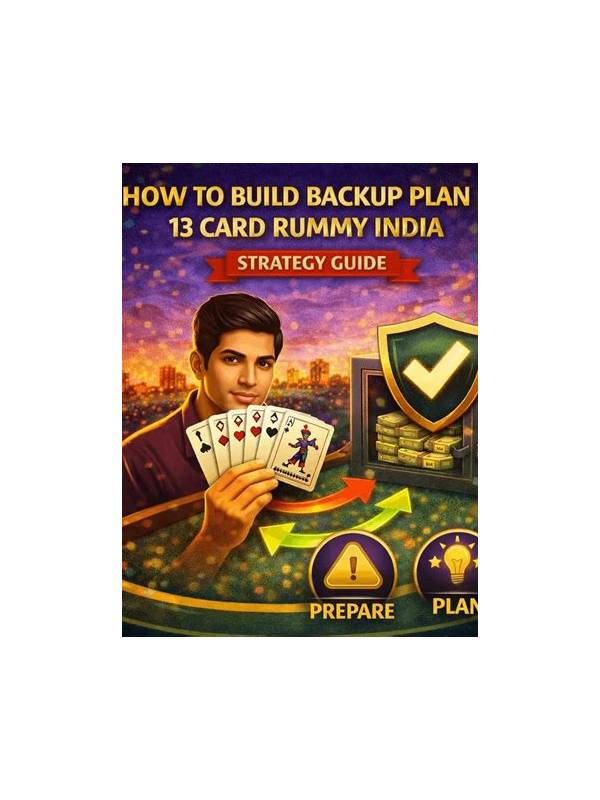
Rummy FAQ: Does a Near-Complete Hand Need a New Plan?

A near-complete hand often creates false confidence. You may see several attractive groups and assume the next draw will finish everything. That is exactly when a short reassessment is valuable. The final stage has fewer spare cards, so one incorrect assumption can cost more than it did early in the hand.
First verify the legal requirements of the format. Count your groups and check the required number of natural or pure sequences. A group that looks complete may contain a duplicate rank, an invalid order, or a joker used in a way the table does not permit. Do not rely on visual neatness. Name each group and explain why it qualifies before you plan a declaration.
Next identify the exact remaining work. If one card completes the hand, ask whether there are alternative cards that could do the same job. If there are two unfinished groups, compare them by the number of plausible draws and by the penalty of keeping their leftovers. A hand with more visible groups is not necessarily closer to completion if its final dependencies are narrow.
Review your discard candidates carefully. Near the finish, a low-value card can still be essential to a hidden route, while a high-value card may be safe to release if your legal groups are secure. Make the discard only after checking that it will not break a required sequence. If the rules require a declaration action or confirmation screen, learn how it works before the final turn.
Information from the table also matters. A needed card may already be visible, or an opponent’s recent pickup may suggest that one route is contested. Do not assume the information is conclusive. Use it to rank your options, then choose the route with the clearest legal finish. If no route is reliable, keep the hand organized and avoid inventing certainty.
Finally, prepare a stop condition. If the next draw does not complete the hand, decide in advance which structure you will protect and which card you will release. This prevents disappointment from turning into a random discard. A near-complete hand does need a new plan, but the new plan is usually a smaller, more precise version of the old one: verify, count, protect, and finish legally. A final review is also the right time to check the interface. Some platforms place declaration, discard, and confirmation controls close together. Know which action you are about to send and wait for the result to display. If the hand is not complete, return to the remaining-work list instead of forcing a declaration. Precision matters more near the finish because there are fewer turns available to recover.
Related Post
Rummy How-To: Build a Reliable One-Card Improvement Test
Compare candidate cards by asking how many realistic improvements each one can support. [...]
Rummy Tips: Keep a Decision Journal After Each Hand
A short decision journal turns ordinary rummy sessions into useful, low-pressure practice. [...]