Rummy FAQ: What Should You Record After a Close Loss?
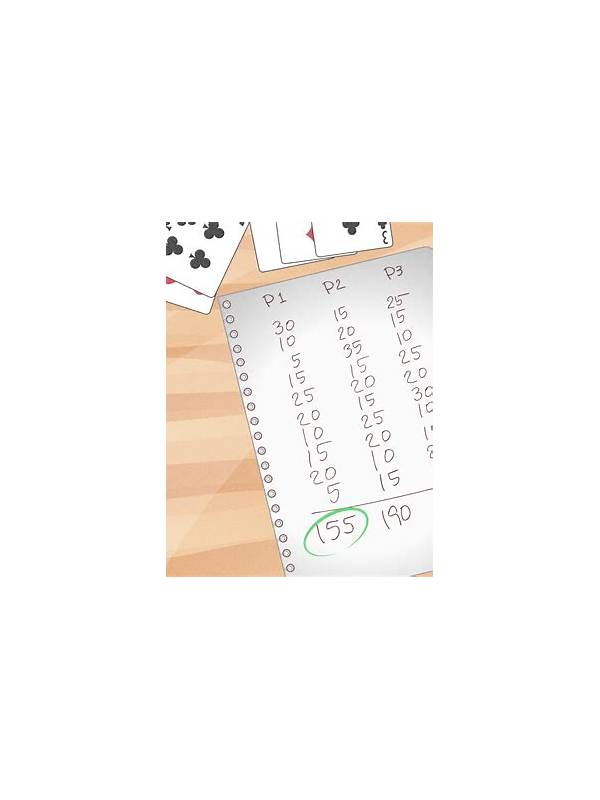
A close loss can feel more informative than a quick loss, but emotion can make the review less accurate. The best record is short, factual, and specific enough to guide a future decision. It should explain what happened without turning the result into a judgment about your ability.
First record the format and the basic outcome. Note whether the hand used points, pool, deals, or another ruleset, because the same decision can have different costs in different formats. Then write the position at the important moment: the groups you had, the unresolved cards, and the visible information that influenced your choice. Avoid reconstructing every card if you cannot remember it reliably.
Separate facts from interpretations. “I discarded a nine after holding it for three turns” is a fact. “The discard was obviously unlucky” is an interpretation. You may include your interpretation, but label it as a hypothesis. This simple separation prevents a disappointing result from becoming false certainty.
Choose one decision to examine. Ask what alternatives were available, what each alternative was trying to achieve, and what information would have changed your choice. Do not list every possible move after seeing the outcome. A review should evaluate the quality of the decision with the information available at the time.
Finally, write one adjustment for practice. It could be “check unconnected high cards before protecting a speculative pair” or “pause before taking a discard that serves only one route.” Keep the adjustment narrow. A vague promise to play better is difficult to test, while a small behavior can be observed in the next few sessions.
If the loss involved money or strong frustration, complete the record later rather than immediately. Take a break, protect your session limits, and return when you can describe the hand neutrally. A close loss becomes useful when it produces a precise question, not when it produces blame. Save the note with the date and format, but keep sensitive account information out of it. On a later review, compare the decision with similar situations rather than searching for one mistake. Patterns across several hands are more reliable than a dramatic memory of one near miss. Keep the lesson narrow enough to test during practice. Avoid writing the result as the lesson. The result includes luck; the record should preserve the choice, evidence, and alternative that were available. That keeps the review fair. If details are missing, mark them as unknown instead of filling them with the final result. Honest gaps make the next practice question clearer and prevent a confident but inaccurate story from becoming a habit.
Related Post

Rummy Comparison: Single Cards and Group Commitments
Comparing loose cards with committed groups helps clarify when a rummy hand is flexible and [...]
Rummy FAQ: Can a Joker Support More Than One Plan?
Understand how to evaluate a joker without allowing it to hide weaknesses in the rest [...]