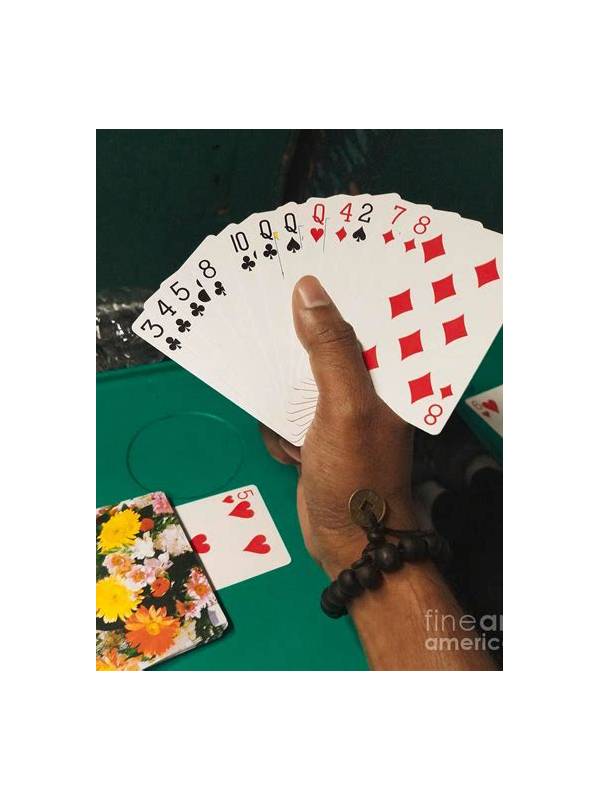
Rummy FAQ: Should You Break a Small Meld?
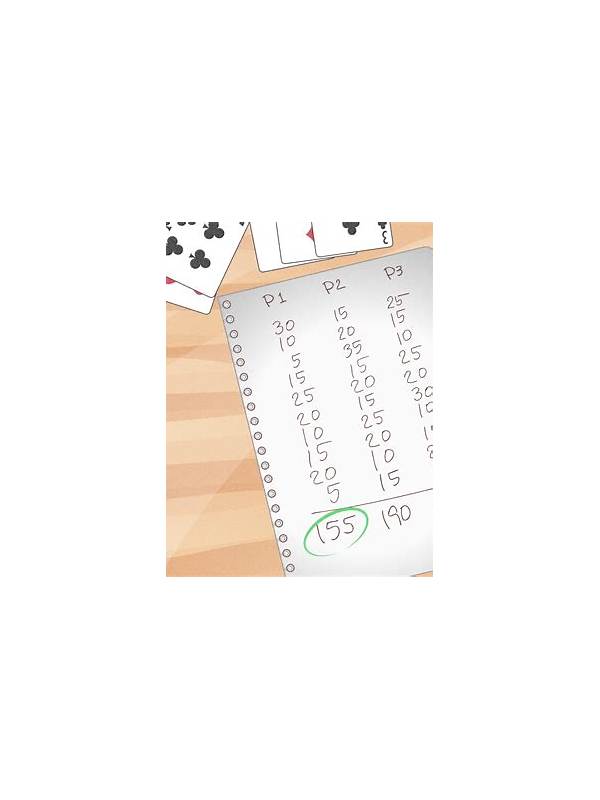
Breaking a small meld is sometimes correct, but it should be an informed exchange rather than a reaction to one attractive card. A small meld gives structure and reduces uncertainty. Before breaking it, identify exactly what the new arrangement offers and what protection you are giving up.
Begin with the replacement test. If you separate the meld, can both cards join realistic structures, or does one become loose? A new arrangement is stronger when it creates two useful routes rather than moving certainty from one place to another. If the break produces several unconnected hopes, keep the original meld.
Next, compare completion routes. A small natural sequence may already be complete and dependable, while a new group may depend on a narrow rank. Conversely, two cards in a group can sometimes unlock a sequence with several available neighbors. Count practical completions rather than admiring the visual neatness of the rearrangement.
Consider timing. Early in a long hand, a controlled experiment may be reasonable. Late in a short hand, destroying a stable meld requires a stronger reason because there may be no time to repair the damage. Also account for visible cards that reduce the chance of completing the new idea.
Set a rollback rule before you break. Decide how many turns you will give the new plan and which card will be released if it fails. Without a rollback rule, players often protect an old decision simply because they made it. A plan can be tested and abandoned without embarrassment.
The answer is therefore not “never” or “always.” Break a small meld only when the alternative has more credible routes, fits the remaining time, and comes with a defined exit. If the advantage is merely emotional or cosmetic, preserve the stable structure and look for a safer improvement elsewhere.
After the hand, review the break without judging the result first. Ask what information was available before the change, whether the new routes were genuinely broader, and whether the rollback rule was followed. This analysis helps distinguish a sound experiment that missed from a weak experiment that happened to work. Both lessons improve future choices.
That review protects you from hindsight. Evaluate the decision using the cards and time that were visible then, not the perfect arrangement revealed afterward.
This keeps experimentation honest and repeatable.
The next hand can test the lesson under fresh conditions.
That is how careful adjustment becomes practical improvement.
Related Post

Rummy Budget Boundaries: Separating Play Money From Daily Expenses
Simple budget boundaries can keep recreational rummy separate from essential household spending. [...]
Rummy How-To: Make a Five-Second Pre-Discard Check
A compact pre-discard routine can reduce avoidable errors without slowing an ordinary turn. [...]