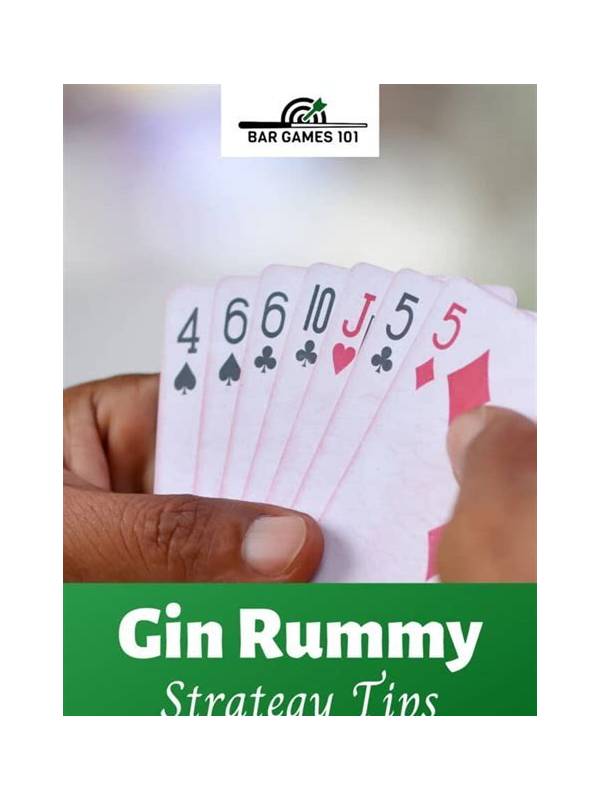
Rummy FAQ: Why Can Sorting Order Affect Your Review?

Sorting order does not change the cards, but it changes what your eyes notice first. Cards arranged by suit make sequence gaps visible. Cards arranged by rank make possible sets and duplicates easier to compare. A hand can therefore look stronger or weaker depending on the layout used during review.
Start with the format’s practical requirements and choose one primary sort for speed. Suit order is often helpful when natural sequences are the immediate goal. Rank order can be useful when several cards share a rank or when you are checking set possibilities. Grouping by current role—finished, building, and loose—can clarify a complicated middle game, but it should not hide suit and rank information.
Use a two-view check when a decision is unclear. First inspect the hand in your normal order and identify the best two discard candidates. Then change to the other useful order and ask whether a connection or duplication was missed. If the candidates change, do not panic; the second view has exposed information that the first layout concealed. Recheck legality before choosing.
Digital tables may sort automatically, and physical cards may be spread differently by habit. The same principle applies: pause long enough to know how the cards are organized. Avoid constant rearrangement during a timed turn, because moving cards can create new confusion. A small, consistent layout is usually better than a perfect layout that takes too long to maintain.
In practice notes, record the sorting view that revealed the lesson. Over time you may learn that suit order helps your openings while role order helps your endgame. Sorting is not a strategy by itself, but it is a visual aid. Choosing the right view at the right checkpoint makes the hand easier to read without adding new cards or assumptions.
If a platform’s automatic arrangement is hard to read, check its accessibility options for larger text, stronger contrast, or a different card display. Make one change at a time and test it in practice. The goal is reliable recognition of suit and rank, not visual decoration. When physical cards are used, leave enough space between groups to avoid accidentally treating adjacent cards as a legal meld. Clear presentation supports accurate review and reduces avoidable sorting errors.
Do not change the display during a live decision unless the current view prevents you from reading a card. Make interface adjustments between hands, then use a short practice round to confirm that the new layout is genuinely clearer. Stable visual habits leave more attention for legality and planning.
Related Post
Rummy Safety: Keep Notifications From Revealing Your Play
Adjust notification and lock-screen settings to reduce accidental exposure while playing rummy. [...]
Rummy Guide: Use Probability Language More Carefully
Replace absolute predictions with practical probability language that keeps rummy decisions honest and adaptable. [...]