Rummy FAQ: How Can You Tell If a Hand Is Getting Simpler?
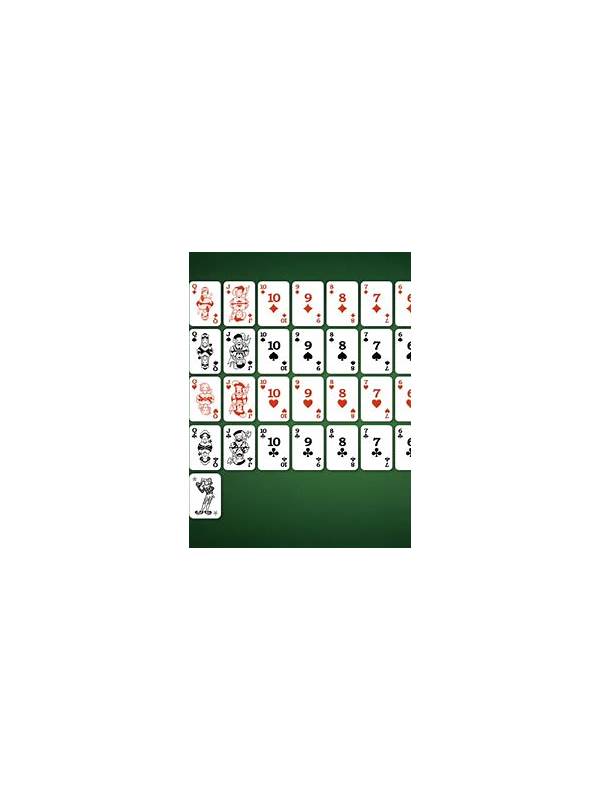
Simplicity is not the same as having fewer cards. A thirteen-card hand can be visually tidy but strategically confused. A hand is becoming simpler when its useful groups are clearer and the next decision requires fewer competing explanations.
Check the number of active plans first. If every card is being assigned to a different possible sequence, the hand may be overextended. Group cards into firm, likely, and loose categories. A strong turn usually makes at least one group firmer or removes a card that has no useful role.
Next, inspect the next discard. Can you name a likely candidate without breaking a required group? If choosing the next discard is still impossible because several cards are equally uncertain, the hand may need a structural reset. Simplicity often comes from abandoning one weak plan rather than adding another.
Look at points and legal requirements too. A hand with lower penalty cards is not automatically closer to a valid declaration, while a neat sequence arrangement may still fail a variant’s rules. Verify that the groups you are building can coexist in a legal final hand. When the rules are unclear, a rule check is more valuable than further sorting.
Finally, ask whether new information changes your choices in a useful way. A simple hand does not eliminate uncertainty, but it makes uncertainty visible. If you can say what you are waiting for, what you will discard after a miss, and when you will reassess, the hand is probably under better control. Simplicity is a decision aid, not a promise of victory.
One practical measure is the number of explanations you need to give for the next action. If you can describe it as “protect this group and release that loose card,” the position is clearer than one requiring several exceptions. This does not mean simple hands always win. It means their risks are easier to see, which supports calmer choices and more honest post-session review.
Use this measure after every draw rather than only near the end. A new card may simplify one group while making another plan obsolete. Remove the obsolete plan from your mental list. Fewer active possibilities are helpful only when they represent current evidence; keeping old ideas alive can make a hand appear more complicated than it really is.
A simple hand can still require care near declaration. Perform the normal final rule check and do not let visual neatness replace verification. Simplicity should reduce confusion, not reduce attention to the conditions that make a hand valid.
Related Post
Rummy Rule Notes for Avoiding Variant Confusion
Build a compact rule note before playing an unfamiliar rummy format. [...]
Rummy Safety: Protect Your Session Budget Before You Start
A pre-session budget and stop rule can keep recreational rummy within a clear, comfortable limit. [...]