Rummy FAQ: When Is a Backup Plan Worth Keeping?
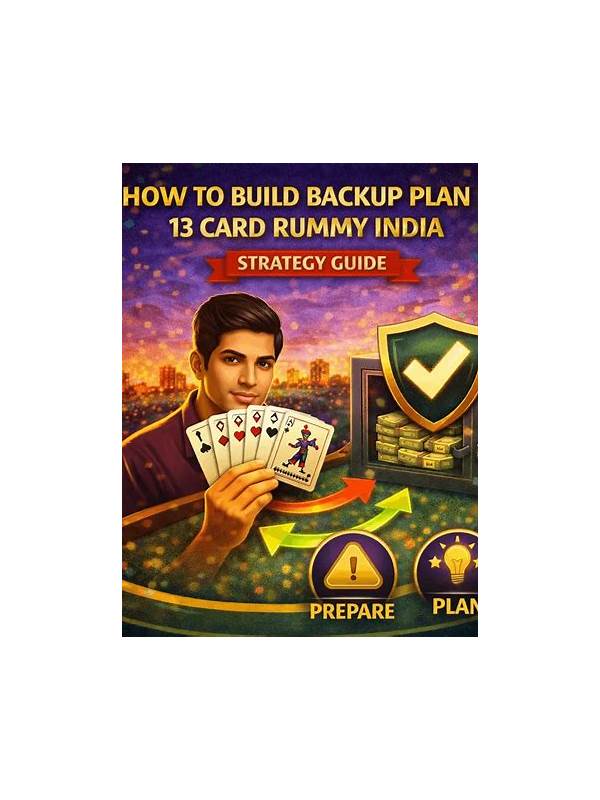
A backup plan is a second route to a valid hand, such as a loose pair that could become a set while your main sequence develops. It is useful when it costs little to preserve. It becomes harmful when it occupies cards that should be released or makes your hand difficult to read.
Test the backup in three ways. First, count the cards it needs. A plan waiting for several exact cards is not a practical backup; it is a wish. Second, check whether its cards already have roles in the main plan. If preserving the backup forces you to break a strong sequence, its cost is high. Third, ask whether the backup reduces points if it fails. A low-card backup is easier to carry than a high-card one.
The stage of the hand changes the answer. Early on, a low-cost backup can protect you from a blocked main route. In the middle, review whether it has improved. Late in the hand, keep it only if it is close to completion or immediately reduces risk. A backup without a deadline can quietly become the main source of delay.
Visible discards can also change its value. If several cards needed by the backup have appeared, downgrade it. If an opponent takes a relevant card, consider whether the remaining route is too narrow. Do not assume the plan is impossible, but do not give it equal status after its evidence weakens.
Label the backup clearly. Say “main,” “backup,” and “discard candidates” when arranging your cards. This prevents every candidate from receiving the same emotional commitment. Before each draw, decide whether the new card strengthens the main route, the backup, or neither. If it strengthens neither, it should not be kept simply to avoid making a decision.
The best backup plan is quiet: it preserves options without demanding constant attention. Review it regularly, retire it when its cost rises, and prefer structures that share useful cards with your main route. This balance makes the hand resilient while keeping the next move understandable. An effective review question is, “What would make me release this backup?” Name the missing card, the number of turns, or the point cost that would change your choice. Then the plan has a boundary. Without one, the backup can survive because it is familiar rather than useful. Clear boundaries also make post-hand review easier. That boundary turns a vague intention into a decision you can audit later.
Related Post
Rummy How-To: Review a Discard Without Second-Guessing Everything
Use a focused post-turn review to learn from a discard while avoiding unhelpful hindsight. [...]
Rummy Comparison: Written Notes Versus Memory After a Hand
Written notes and memory serve different review purposes, and combining them can produce a more [...]