Rummy Guide: Compare Two Plans With a Cost Matrix

When two rummy plans both look plausible, intuition may keep switching between them. A small cost matrix makes the comparison concrete. List each plan and rate four features: cards needed, point exposure, flexibility, and discard risk. The ratings need not be mathematical; their purpose is to expose trade-offs.
For cards needed, count the distinct improvements that could help. A plan needing one of several connectors is more flexible than one waiting for a single exact card. For point exposure, estimate the penalty of holding the plan if the hand ends soon. High cards and multiple loose cards should increase the cost.
Flexibility measures whether the cards can change roles. Middle cards in a shared suit may support several sequences; a duplicate high rank may have fewer options. Give a higher rating to plans that can absorb an ordinary draw without forcing a complete rebuild. Flexibility matters more early, when future information is plentiful.
Discard risk concerns what you may give an opponent. If following a plan requires releasing a card that an opponent has visibly collected around, its risk rises. The signal is never certain, so do not make the matrix depend on perfect knowledge. Just record when one plan creates a clearly more dangerous discard.
Compare the totals only after reading the explanations. A plan with fewer cards needed may still be poor if it carries high points and leaves no safe discard. A slightly slower plan may be better when it keeps a pure sequence intact or offers two routes to completion. Also note the stage of the hand: late turns should give more weight to immediate completion and point reduction.
Use the matrix in practice with a quick verbal version: “Plan A is faster but narrow; Plan B is slower but safer.” Then choose and set a review condition. If the needed card does not arrive, or the discard evidence changes, rebuild the comparison. The method turns indecision into a visible decision without pretending that rummy can be reduced to certainty. For practice, keep the matrix to four rows and one sentence per rating. This prevents analysis from becoming another form of delay. Once you choose, observe the next two turns and note whether the plan produced cleaner options. The result is feedback, not a verdict: a sound plan can lose, and a weak plan can get lucky. Judge the comparison separately from the outcome. Keep the ratings approximate and revise them when new information appears.
Related Post
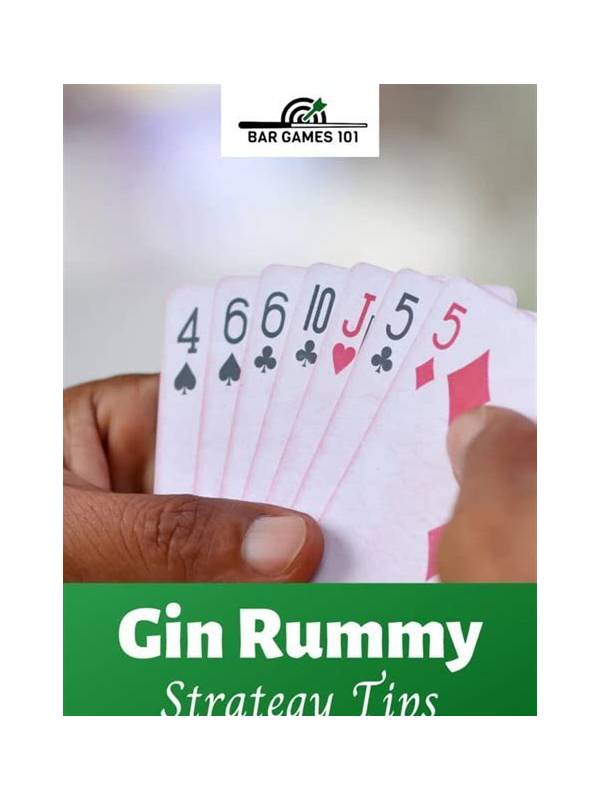
Rummy Strategy: Set a Replacement Threshold
A replacement threshold tells you when a weak card has become too costly to keep [...]
Rummy How-To: Choose a Practice Difficulty That Teaches You
A gradual practice ladder can reveal whether you need better sorting, planning, or decision discipline. [...]