Rummy FAQ: When Should You Rebuild a Promising Hand?
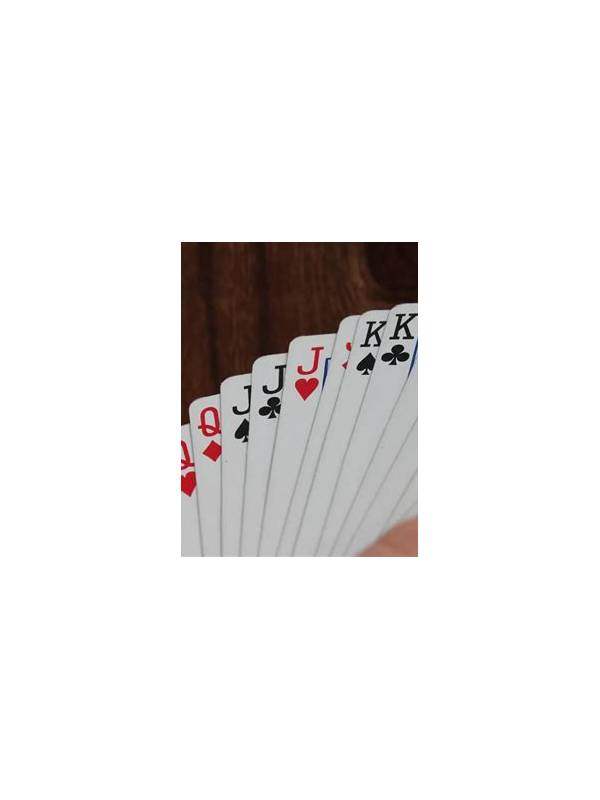
When should you rebuild a promising rummy hand? Rebuild when the plan’s support has fallen, the rules expose a missing requirement, or a new card creates a clearly more reliable structure. Do not rebuild simply because the next draw was not the one you wanted. A good plan can survive an ordinary miss.
First, identify what made the hand promising. Was there a secure sequence, several connectors, or a pair with many possible matches? If you cannot name the original strength, you may be reacting emotionally rather than evaluating the position. Preserve the parts that still have that strength.
Then check for structural failure. A route may have become weak because its only useful neighbor was discarded, because it competes with a required group, or because too many cards remain unassigned. If the hand no longer has a credible path to a legal declaration, a rebuild is justified even when the cards once looked attractive.
Rebuild in stages. Protect confirmed groups first. Choose one primary route for the cards that remain, then place uncertain cards into a short review list. Avoid replacing every group at once; a complete reset can destroy useful information and make the hand harder to read.
Use the newest card as a test. If it fits an existing group and improves its completion odds, keep the old structure. If it creates a route with fewer gaps and better legal support, allow the hand to change. The question is not whether the new route looks different, but whether its remaining work is smaller or more reliable.
A rebuild also has a timing limit. Early in a hand, you can afford to move from a weak run to a pair or from one suit plan to another. Late in a hand, choose the route that can meet the requirements fastest, even if it is less elegant. A partial improvement that arrives soon is worth more than a complete redesign that needs many draws.
Think of rebuilding as maintenance. Review the foundation, remove unsupported assumptions, and keep what still works. This keeps flexibility without turning every disappointing draw into a dramatic change of plan. One useful signal is reduced flexibility. If the hand once supported several routes but now depends on one exact draw, rebuild sooner. Another signal is a new secure group that makes the old plan unnecessary. Rebuilding should follow evidence about the hand’s shape. When the evidence is mixed, preserve the strongest foundation and change only the weakest working group.
Related Post
Rummy FAQ: What Is a Decision Boundary?
A decision boundary helps a player decide when to stop waiting for one card and [...]
Rummy FAQ: Should You Copy an Opponent’s Pace?
Matching another player’s speed is rarely a strategy; your pace should protect accuracy and fit [...]