Rummy Strategy: Track the Cost of Keeping a Card
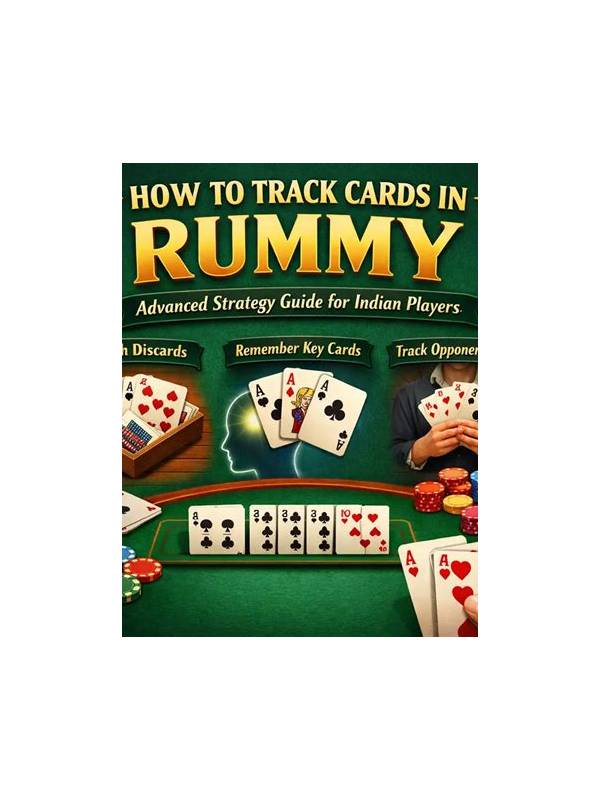
Card value is not only about what a card might become. Keeping it also has a cost. It occupies space, may block another arrangement, may carry a scoring penalty, and uses time that could have been spent improving a different route. Tracking these costs produces steadier discards.
Begin with opportunity cost. Ask what the card prevents you from keeping. A flexible card may be holding together two working groups, while a high isolated card may prevent you from retaining a useful connector. The best discard is often found by comparing the remaining hand after each candidate leaves.
Next, review penalty exposure under the table’s scoring rules. A card with a larger possible loss deserves earlier attention when it has no strong route. This does not mean discarding every high card immediately. A high card that completes a required group can be safer than several low cards that remain unusable.
Time is another cost. A card that has been held through several turns without gaining support has become more expensive, even if its theoretical possibilities have not changed. The hand has fewer opportunities left. Mark repeated non-progress as evidence, not as bad luck alone.
There may also be an information cost. Releasing a card can reveal a plan to other players, while holding it may conceal your direction. Usually this should be a secondary consideration; protecting your own legal structure matters first. Still, when two discards are otherwise equal, choose the one that gives away less useful information.
Finally, estimate replacement cost. If a card leaves, can the remaining hand still form a valid arrangement? If discarding it breaks the only route to a required sequence, its cost is high. If the remaining cards have several independent paths, its cost is lower.
A cost review does not require exact arithmetic. Use four questions: What does the card complete, what does it block, how long has it waited, and what happens if it leaves? The answers create a practical picture of value. A card earns its place by producing progress that justifies the space and time it consumes. The same approach works for a card that appears to be lucky. A fortunate draw still has an opportunity cost if it forces you to abandon a secure group or hold several unrelated cards. Check the whole arrangement before celebrating the improvement. Value is created by the structure the card enables, not by the emotional relief of seeing a familiar rank.
Related Post

Rummy Tips: Use a Decision Budget Each Turn
Limit mental clutter by giving each rummy turn a small, repeatable set of questions. [...]
How to Read Rummy Game Rules Before Joining a Table
A focused rules review helps players understand entry, scoring, timing, and withdrawal conditions before play. [...]