Rummy How-To: Use a Card Budget for Each Unfinished Group

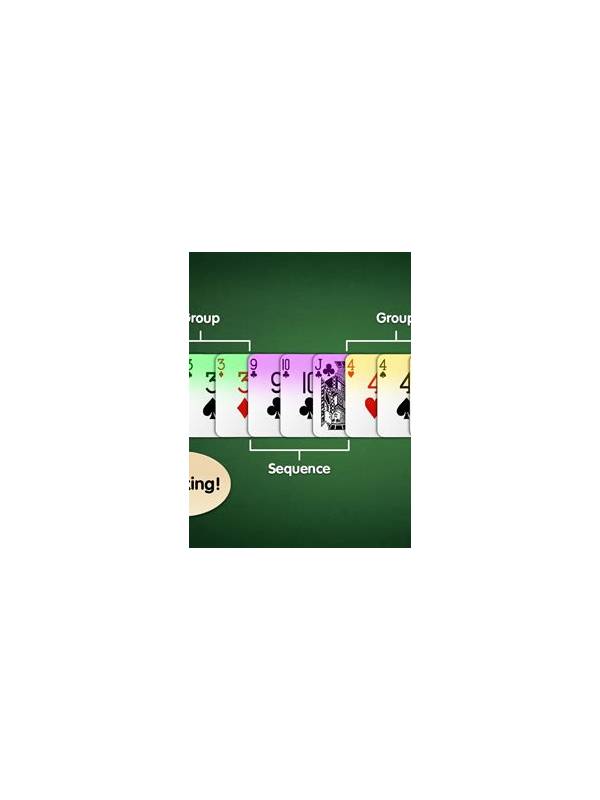
An unfinished group can expand until it occupies the entire hand in your thoughts. A card budget is a simple boundary: decide how many cards you are willing to keep for that idea and how many turns you will give it before reassessing.
Begin by listing the unfinished groups and the cards currently assigned to each. Give each group a budget based on its routes. A flexible group with several possible improvements may justify more space. A narrow group that needs one exact card may receive a smaller budget and an earlier deadline.
Budgets are not rigid rules. They are prompts to notice when a plan is consuming too much. If a group holds four cards but still requires a specific fifth card, ask whether those cards could be reorganized into a better structure. If two groups share a connector, mark the conflict instead of counting that card twice.
At the next draw, review whether the group earned its space. Did the new card complete it, create a second route, or reduce the penalty of abandoning it? If none of those happened, follow the reassessment rule you set. Release one card, shrink the group, or switch to the backup plan.
This method helps with both strategy and time management. You do not need to solve every possible arrangement; you only need to notice which group is over budget. It also makes post-game review clearer. You can record, “I gave a narrow pair four turns and no new route appeared,” rather than simply saying the hand went badly.
Use budgets especially when several promising pairs compete. Protect room for a stable group, a practical discard, and one flexible card. The strongest hand is not always the one with the most ideas. It is often the one whose ideas fit inside a limit. Write the budget beside the group in a practice note: “two cards, two turns, then reassess.” This makes the promise observable. If a draw improves another route, adjust the budget rather than pretending the original plan still has priority. Budgets guide attention; they do not override a clearly better legal arrangement.
Avoid giving every group the same budget. A completed pure sequence needs no future budget, while a narrow high-point pair may need an immediate review. Different groups create different risks, so their limits should reflect their actual routes. The budget can include attention as well as card slots. If a group requires repeated mental rearrangement, lower its practical budget even when its point cost is small. A hand that is easy to verify is often easier to play accurately.
At the end of practice, ask whether the budget helped you change plans earlier. If not, adjust the trigger rather than simply making the budget smaller.
Related Post

Rummy App Interface Map: Know Where Each Action Lives
Make a quick private map of an unfamiliar rummy app before playing a serious round. [...]
Rummy Comparison: Visual Notes or Mental Counting
Visual notes and mental counting each help in rummy, but the better method depends on [...]